
By Ibrahim Nasiru
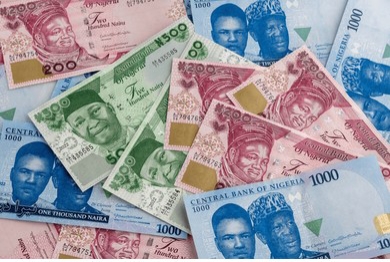
As Nigeria approaches the 2027 general elections, public affairs analyst Ibrahim Nasiru has called on opposition parties to present clear, practical and evidence-based economic policies to address the persistent challenges facing the naira and the wider economy.
Nasiru, referencing an analysis by political commentator Bala Muhammad Inuwa, said the opposition must move beyond political rhetoric and regional sentiments to explain how it intends to restore currency stability, control inflation and improve Nigerians’ purchasing power.
In an opinion article titled “Saving the Naira: The Blueprint Nigeria Needs Before 2027,” he argued that the state of the economy demands a serious contest of policy ideas, with political parties required to demonstrate how their proposals would translate into tangible improvements in citizens’ living conditions.
He maintained that the ability of political parties to articulate workable economic solutions would be a major issue in the build-up to the 2027 elections.
According to him, Nigeria’s currency challenges must be examined beyond recent movements in the foreign exchange market, particularly given the impact of depreciation and inflation on households and businesses.
Nasiru noted that although rising external reserves and recent improvements in the foreign exchange market might be viewed as signs of progress, many Nigerians continue to grapple with high living costs and declining purchasing power.
He argued that economic policies should be assessed not only by financial indicators but also by their effects on household incomes, business operations and the general welfare of citizens.
“An economy exists to serve human beings, not abstract spreadsheets or foreign balance sheets,” he said.
Import Substitution, Local Production Key to Naira Stability
Nasiru identified increased domestic production and import substitution as critical components of any sustainable strategy to strengthen the naira.
He argued that Nigeria must reduce its dependence on imported goods by investing in commercial agriculture, domestic refining and local manufacturing.
According to him, expanding local production would reduce demand for foreign exchange while creating jobs, strengthening industries and improving the country’s capacity to meet domestic consumption needs.
He stressed that the country must deliberately shift from an import-dependent economy towards one that produces a greater proportion of the goods consumed by its population.
The analyst also called for diversification of Nigeria’s export base, warning that excessive dependence on crude oil exposes the economy to fluctuations in international oil prices.
He proposed greater investment in solid minerals, agricultural processing, technology and manufacturing as ways to generate alternative sources of foreign exchange.
Nasiru maintained that developing these sectors would help Nigeria earn more foreign exchange, reduce pressure on the naira and build greater resilience against external economic shocks.
Analyst Advocates Fiscal, Monetary Discipline
On monetary and fiscal policy, Nasiru called for stronger discipline in government borrowing and the management of public finances.
He argued that reliance on deficit financing through the Central Bank of Nigeria’s Ways and Means advances should be curtailed to prevent excessive liquidity from worsening inflationary pressures.
He also advocated a transparent and credible monetary policy framework capable of controlling inflation, stabilising domestic prices and restoring confidence in the national currency.
According to him, sustainable currency stability cannot be achieved through short-term interventions alone but requires consistent policies that address the underlying weaknesses of the economy.
He said the government must pursue reforms that improve productivity, strengthen public finances and encourage confidence among domestic and international investors.
Competence, Not Political Patronage
Beyond policy formulation, Nasiru stressed that the success of any economic recovery programme would depend largely on the quality of the people responsible for its implementation.
He called for the appointment of experienced economic technocrats with demonstrable records in economic management, institutional development and wealth creation.
According to him, economic positions should not be allocated primarily on the basis of political loyalty, campaign financing or personal connections.
He argued that effective economic management requires professionals capable of making difficult decisions, maintaining policy consistency and prioritising national economic interests.
Nasiru said the appointment of qualified personnel would be essential to translating economic plans into measurable outcomes.
Atiku’s Economic Management Record Revisited
The analyst also referenced the economic management record of former Vice-President Atiku Abubakar, presenting his experience during the administration of former President Olusegun Obasanjo between 1999 and 2007 as a point of reference in the debate over economic reforms.
Nasiru argued that Atiku’s role in the National Economic Council during the period demonstrated the importance of identifying capable professionals and delegating responsibilities in economic governance.
He linked the period to major developments, including banking sector consolidation, telecommunications liberalisation and increased foreign investment.
According to him, the experience underscores the need to separate partisan considerations from technical decisions in managing the economy.
However, he maintained that any proposed economic recovery programme must be assessed on the strength of its policies, the capacity of its implementation team and the results it can deliver.
2027 Elections and the Economy
As political parties prepare for the 2027 general elections, Nasiru said Nigerians should demand specific commitments on currency stability, inflation control, domestic production, export diversification and job creation.
He argued that political campaigns should provide clear explanations of how proposed policies would be funded, implemented and evaluated.
According to him, vague promises would not adequately address the economic difficulties confronting households and businesses.
Nasiru maintained that a credible plan to strengthen the naira must combine productive investment, fiscal discipline, effective monetary management and competent leadership.
He said the 2027 elections present an opportunity for Nigerians to scrutinise competing economic programmes and demand practical solutions to the country’s longstanding structural challenges.
The analyst concluded that restoring confidence in the naira would require more than short-term market interventions, stressing that lasting stability depends on building a productive, diversified and resilient economy capable of meeting domestic needs and earning sustainable foreign exchange.
Nasiru is an economic analyst Abuja based