The Nigerian Midstream and Downstream Petroleum Regulatory Authority (NMDPRA) has unveiled plans to host the second edition of the West Africa Refined Fuel Conference, aimed at accelerating investment in petroleum infrastructure, strengthening regional collaboration and advancing market transparency across Africa’s downstream energy sector.
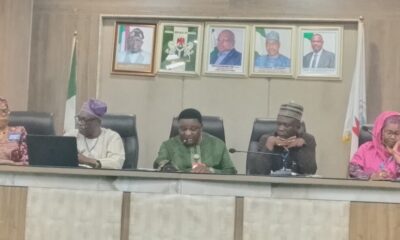
Speaking during a press conference in Abuja on Thursday, the Managing Director and Chief Executive Officer of the NMDPRA, Rabiu Abdullahi Umar said the conference would consolidate the gains recorded since the inaugural edition held in 2025.
He noted that key achievements from the maiden conference include the establishment of the West Africa Regulators Forum (WARF), the publication of the West Africa Reference Prices and the inauguration of the S&P Global Commodity Insights Regional Office in Abuja.
Aliyu said the 2026 conference, organised in collaboration with S&P Global Commodity Insights and WARF, is themed “Funding West Africa Infrastructure and Distribution to Create a Transparent Market for Regional Price Benchmarks.”
According to him, the conference, scheduled for August 11 and 12, 2026, in Abuja, will serve as a platform for high-level discussions on building an integrated, resilient and sustainable refined petroleum products market across Africa.
He said participants would examine current market dynamics, emerging industry trends and investment opportunities while identifying critical infrastructure gaps in the continent’s refining and downstream petroleum value chain.
The NMDPRA boss added that the conference would promote strategic partnerships aimed at enhancing market transparency, improving operational efficiency and strengthening energy security throughout the region.
Aliyu said a major objective of the gathering is to chart a pathway towards establishing a credible African reference price benchmark that reflects regional market realities and supports transparent pricing mechanisms.
He added that stakeholders would also deliberate on strategies for expanding and modernising Africa’s refining capacity to reduce dependence on imported petroleum products, improve energy security and stimulate sustainable economic growth.
Emphasising the role of regulators, Aliyu said robust regulatory frameworks are critical to promoting fair competition, protecting consumers, strengthening investor confidence and deepening regional cooperation.
He stressed that investments in pipelines, storage terminals, marine facilities, rail systems, road networks, refineries and digital commodity trading platforms would lower supply costs, improve market efficiency and guarantee more reliable access to petroleum products across West Africa.
According to him, greater regional cooperation would optimise infrastructure, eliminate duplication, strengthen supply resilience and unlock opportunities in gas processing, transportation, liquefaction, petroleum storage, pipeline development, LNG infrastructure and logistics corridors.
Aliyu also underscored the importance of reliable market data, describing it as essential for transparent pricing, informed investment decisions, effective risk management and evidence-based regulation.
He said the conference is expected to deliver concrete outcomes, including stronger partnerships for infrastructure financing, enhanced collaboration among regulators, policy recommendations, logistics and trading infrastructure roadmaps, and increased private sector participation in the region’s energy market.
Describing West Africa as one of the fastest-growing energy markets globally, Aliyu said improved infrastructure, stronger regional integration and efficient logistics would enhance supply resilience, reduce disruptions and support long-term energy security.
He urged the media to give the conference wide publicity, stressing that energy security remains a critical component of national and regional security.