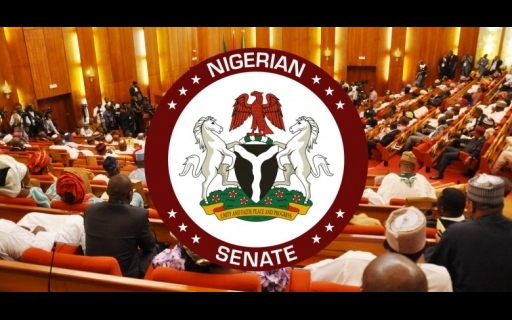
Nigeria’s Senate on Tuesday rejected proposals for the Federal Government to take over South African-owned companies operating in Nigeria, including MTN and DStv, despite renewed concerns over xenophobic attacks against Nigerians in South Africa.
During plenary, lawmakers condemned the violence and called for increased diplomatic action to protect Nigerians. The Senate urged the Ministry of Foreign Affairs and the Nigerian High Commission in South Africa to secure written assurances from the South African government on the safety of Nigerians. This follows reports of a June 30, 2026 deadline allegedly issued by vigilante groups for foreign nationals to leave.
The chamber also called for the arrest and prosecution of those responsible for attacks, intimidation, looting, and other unlawful acts targeting Nigerians and other African nationals.
The debate was based on a motion titled, “Motion on the Need to Halt the Recurring Xenophobic Attacks and Intimidation Against Nigerians and Other African Nationals in the Republic of South Africa,” sponsored by Senator Asuquo Ekpenyong of Cross River South.
The Senate noted it was the second time in two months it had discussed the issue, following reports of a fresh wave of attacks after the June 30 ultimatum expired.
As part of its resolutions, the Senate directed the Ministry of Foreign Affairs, the Nigerians in Diaspora Commission (NiDCOM), and the Nigerian High Commission in South Africa to improve emergency consular support for affected Nigerians.
“Create a verified register of Nigerians who have suffered death, injuries, displacement, unlawful detention, or loss of businesses and property to aid legal action, compensation, and restitution.”
It also urged the Federal Government to work with other African countries through the African Union to establish an early warning system and accountability mechanism to prevent future xenophobic attacks.
Additionally, lawmakers directed the Senate Committees on Foreign Affairs and Diaspora and Non-Governmental Organisations to review the implementation of Senate resolutions adopted on May 5, 2026, and report back within four weeks on actions taken and outstanding issues.
During debate, Senator Adams Oshiomhole, representing Edo North, proposed an amendment. He cited comments attributed to a South African minister suggesting compensation would not be paid to Nigerians whose properties were looted or businesses destroyed.
“If indeed the South African government refuses to compensate affected Nigerians, it is proposed that the federal government of Nigeria should consider appropriating the profits made by South African companies operating in Nigeria, including their banks and other businesses, and use those funds to compensate Nigerian victims,” Oshiomhole said.
He added: “The ultimatum reportedly given to Nigerians to leave by June 30 was enforced by mobs while the South African government appeared unable to protect innocent people. We cannot allow Nigerians to suffer such losses and then use Nigerian taxpayers’ money to compensate them while South African businesses continue to make profits here.”
Deputy Senate President Barau Jibrin, who presided, declined the proposal and asked lawmakers to allow the Committee on Foreign Affairs to complete its investigation first.
“Nobody in this chamber is happy with what is happening in South Africa. The actions of violent groups attacking innocent people are completely unacceptable,” Jibrin said. “However, we also need to exercise caution… we should not rely solely on statements circulating on social media without proper verification.”
He referenced an interview with a South African minister who, he said, explained that compensation would not be given for illegal settlements without legal title, but that those with valid property titles would retain ownership rights. “That explanation, however, does not excuse the failure to prevent innocent people from being displaced in the first place,” Jibrin said.
Oshiomhole responded that the matter had been debated a month earlier and the Senate had already resolved that the Committee on Foreign Affairs should investigate. “Respectfully, it should not appear that our previous decision must now await further opinion before action is taken. We should not continue to exercise caution until more Nigerians are killed,” he said.
Jibrin then directed the committee to submit its report within two weeks. “Chairman of the Committee on Foreign Affairs, you are hereby given two weeks to submit your report so that this Senate can take decisive action on the matter,” he said.
He added that the Federal Government, through the Ministry of Foreign Affairs and the Nigerian High Commission, “has been actively engaging the situation and providing support to affected Nigerians.”
Presenting the motion, Senator Ekpenyong said the Senate noted “with grave concern the renewed wave of xenophobic attacks, intimidation and anti-foreigner vigilantism against Nigerians and other African nationals residing in the Republic of South Africa.”
He said anti-migrant groups issued an “unlawful ultimatum requiring foreign nationals considered undocumented to leave South Africa by 30 June 2026,” which was followed by “widespread fear, demonstrations, displacement, and reports of violence, including attacks on foreign-owned businesses and homes.”
Ekpenyong added that intimidation had extended to Nigerians and other foreign nationals with valid residence, work, and immigration permits, “some of whom have reportedly been threatened, profiled, evicted or ordered to leave by unauthorised vigilante groups.”
He recalled Nigeria’s support for South Africa during apartheid, including diplomatic, financial, and material assistance, and noted that Nigerian workers, students, and citizens contributed to the anti-apartheid struggle. He cited the 1977 World Conference for Action Against Apartheid hosted in Lagos under General Olusegun Obasanjo and economic measures taken against foreign commercial interests linked to apartheid.
“While Nigerian-owned businesses in South Africa have been attacked, looted, shut down or abandoned under threats of violence, South African-owned enterprises and brands, including MTN and DStv, continue to operate lawfully and profitably in Nigeria, with Nigeria consistently upholding the rule of law by rejecting retaliatory actions,” the motion stated.
The Senate affirmed South Africa’s “sovereign authority… to enforce its immigration laws” but said such enforcement “must be carried out exclusively by authorised state institutions in accordance with the rule of law, human dignity and the fundamental rights of all persons.”