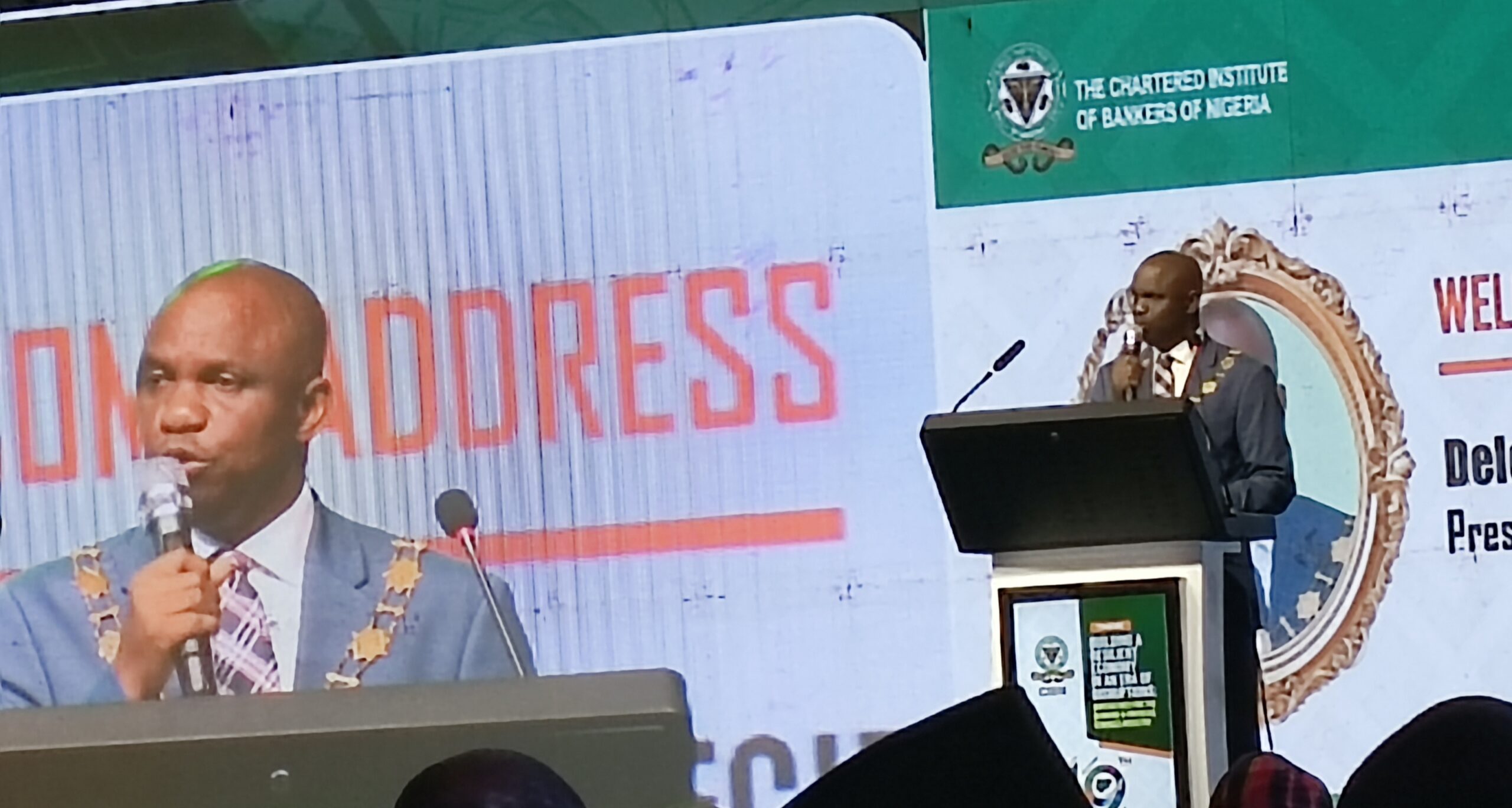
The President and Chairman of Council of the Chartered Institute of Bankers of Nigeria (CIBN), Dr. Dele Alabi, has called for stronger collaboration among policymakers, financial institutions, technology innovators and businesses to build a more resilient Nigerian economy capable of withstanding global and domestic disruptions.
Alabi made the call in Abuja while delivering his Opening Address at the 19th Annual Banking and Finance Conference of the CIBN, themed around building a resilient economy in an era of disruptions.
He said the conference had evolved into one of Africa’s leading platforms for discussions on banking, finance and economic development, providing an avenue for stakeholders to translate ideas and policies into practical solutions.
According to him, the theme of the conference was particularly relevant as disruptions had become a defining feature of the global economy, with geopolitical tensions, conflicts, rising energy costs and supply-chain challenges continuing to affect financial and commodity markets.
He noted that the Russia-Ukraine war and conflicts in the Middle East had contributed to volatility in food, energy and financial markets, while technological developments, particularly artificial intelligence, were rapidly transforming productivity, payments, credit and customer experience.
Alabi, however, warned that the rapid adoption of technology also came with emerging risks, including cyber threats, data governance challenges, market concentration and potential displacement of jobs.
He said Nigeria could not remain insulated from global economic shocks, pointing to fluctuations in food and oil prices, rising costs of cooking gas and fertiliser, increased freight and logistics expenses, exchange-rate pressures and higher operating costs.
The CIBN President stressed the need for closer coordination of fiscal, monetary and industrial policies, increased domestic production, improved food supply and stronger social protection mechanisms to cushion the effects of economic shocks on Nigerians.
He said the banking sector had demonstrated resilience through recent recapitalisation efforts, noting that approximately N4.6 trillion in fresh capital had been raised by banks.
According to him, about 72 per cent of the incremental capital raised came from domestic investors, demonstrating growing confidence in Nigeria’s financial system and its capacity to mobilise capital for economic development.
Alabi also commended the administration of President Bola Ahmed Tinubu for what he described as visionary and transformational leadership, particularly in implementing reforms aimed at strengthening the economy.
He further highlighted positive developments in Nigeria’s economic outlook, including the reported improvement in the country’s sovereign rating outlook and the planned reclassification of Nigeria by global financial authorities.
On economic growth, Alabi said Nigeria’s Gross Domestic Product (GDP) recorded 4.4 per cent year-on-year growth in the second quarter, compared with 3.8 per cent in the preceding quarter.
He said the figures provided a basis for optimism but stressed that sustained growth would require continued reforms, professional standards, innovation and capacity building across the financial services industry.
The CIBN President identified Micro, Small and Medium Enterprises (MSMEs) as critical to Nigeria’s economic transformation, urging stakeholders to develop more effective mechanisms to address the challenges confronting the sector.
He said Nigeria had about 10.6 million MSMEs, accounting for approximately 97 per cent of businesses, 88 per cent of employment and 46 per cent of the country’s GDP.
According to him, despite their importance, many MSMEs continue to face challenges including high operating costs, inadequate infrastructure, limited access to markets, low productivity, skills gaps and difficulties accessing finance.
He disclosed that the Institute was considering strategies to support scalable SMEs through shared infrastructure, business support services, capacity building, technology and improved access to finance.
Alabi said such interventions would help reduce operating costs through economies of scale, strengthen the capacity of MSMEs and enable financial institutions to serve the sector more effectively.
He added that translating economic reforms into tangible benefits for businesses and households remained critical to achieving sustainable economic development.
The CIBN President also said the conference’s sessions on artificial intelligence, financial inclusion, human-centred engagement and responsible innovation were designed to move discussions beyond policy formulation to practical implementation.
He urged participants to focus on converting national strategies into partnerships involving businesses, households and digital platforms.
Also speaking, the Chairman of the Body of Bank CEOs and Group Managing Director/Chief Executive Officer of United Bank for Africa (UBA), Mr. Oliver Alawuba, said resilience must be built before crises occur rather than after they emerge.
Alawuba said rising costs and other economic pressures could affect businesses and households, stressing the need for policies and investments capable of preparing the economy for future shocks.
He identified infrastructure, transport, energy, supply chains and sound economic policies as key areas requiring attention to strengthen Nigeria’s resilience.
He said the private sector, government and other stakeholders must work together to ensure that the country was better prepared to withstand future economic disruptions.
In his goodwill message, the Managing Director of the Nigeria Deposit Insurance Corporation (NDIC), Mr. Sunday Oludare Thompson, represented by the Executive Director, Corporate Services, Mrs. Emily Chidinma Osuji, reaffirmed the corporation’s commitment to strengthening financial system stability and resilience.
He said the NDIC remained focused on supporting initiatives that would improve confidence in the banking system and ensure the protection of depositors.
The NDIC also emphasised the importance of stronger financial institutions, effective governance and operational resilience in supporting economic growth.
The conference brought together banking and finance professionals, regulators, policymakers, business leaders, technology experts and other stakeholders to deliberate on strategies for strengthening Nigeria’s financial system and building a more resilient economy amid global and domestic disruptions.