At least 130 Nigerians have registered for voluntary evacuation from South Africa amid growing concerns over anti-foreigner protests, the Federal Government said Sunday.
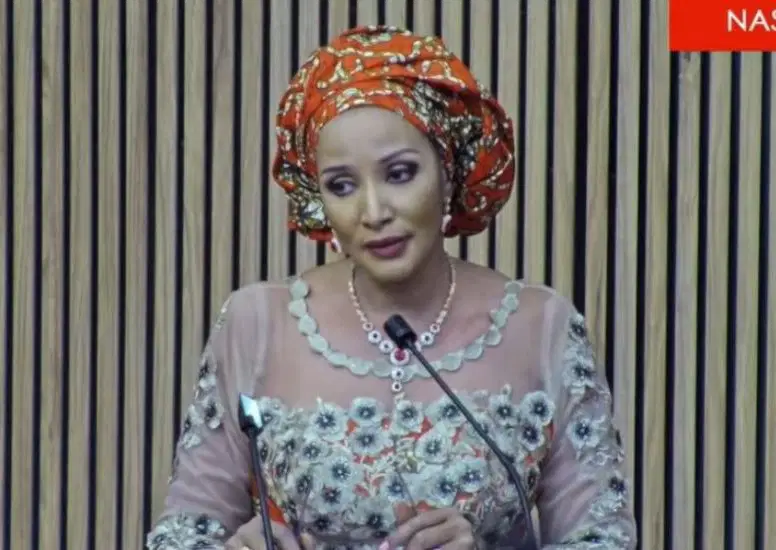
Minister of Foreign Affairs Bianca Odumegwu-Ojukwu said the evacuation plan is being coordinated with Nigerian missions in South Africa following directives from President Bola Tinubu to closely monitor developments and strengthen safety measures for citizens abroad.
“The President has reiterated that the priority at this time remains the safety of our citizens,” Odumegwu-Ojukwu said in a statement. She added that “arrangements are currently underway to collate details of Nigerians in South Africa for voluntary repatriation flights for those seeking assistance to return home.”
“So far, 130 applicants have duly registered for the exercise with our mission,” she said, noting that more people may still come forward.
Nigeria has engaged South African authorities on the matter, including summoning the Acting High Commissioner. Talks are ongoing between both countries to address the situation.
Recent protests in Pretoria and Johannesburg have heightened anxiety among foreign nationals, especially Nigerians. “There is heightened anxiety over the series of anti-foreigner protests, also targeted at Nigerians in select cities in the Republic of South Africa in recent weeks,” the minister said.
She said President Tinubu, after a briefing, “expressed grave concern on the situation” and “called for more effective control of the situation by relevant host security services.”
While South African leaders, including President Cyril Ramaphosa, have condemned the violence, images circulating online have drawn global condemnation. “The images pervading both mainstream and social media depicting violence, carnage and targeted xenophobic killings of foreign nationals and demonstrations characterised by xenophobic rhetoric, hate speeches and incendiary anti-migrant statements by the arrowheads of such rallies, have generated worldwide condemnation,” Odumegwu-Ojukwu stated.
Protests held between April 27 and 29 were largely peaceful, with heavy police presence. “The protests spearheaded by a local anti-migration movement, in Pretoria and Johannesburg, between 27 – 29 April 2026, witnessed a largely peaceful procession, under the presence of heavily armed police who occasionally sprayed teargas to deter the protesters from engaging in violent activity.”
“There is no recorded killing of any Nigerian or destruction of Nigerian-owned properties during this particular protest,” she said.
However, the minister confirmed two deaths involving Nigerians in separate incidents with security officials.
“Amamiro Chidiebere Emmanuel died on 25th of April 2026 as a result of injuries sustained from brutal beatings by military personnel of the South African National Defence Force on 20th April 2026 in Port Elizabeth,” she said.
“Nnaemeka Matthew Andrew also died following an alleged interaction with members of the Tshwane Metro Police, and his body was discovered at the Pretoria Central Mortuary on 20th April 2026.”
“This is utterly condemnable and unacceptable. The Nigerian High Commission is closely following investigations into these unfortunate incidents, and Nigeria demands justice be done in these cases,” Odumegwu-Ojukwu said.
Another round of protests is expected between May 4 and 8, raising fresh concerns. Nigerian officials say they are working with South African authorities to ensure safety while evacuation plans continue.
The minister cited Nigeria’s role in South Africa’s liberation struggle, saying it “needs to be distilled down to the younger generation in South Africa.”
“Nigerian lives and businesses in SA must not continue to be put at risk, and we remain committed to working with South Africa to explore ways to put an end to this xenophobic pattern,” she said.
She noted the attacks have become “a repetitive wave, most especially before elections in South Africa,” with anti-foreigner opposition parties leveraging the situation for votes.
Nigeria recently signed a memorandum of understanding with South Africa on an early warning mechanism to protect citizens of both countries during periods of tension.