That bottle of whisky with the familiar label may look genuine. The seal is intact. The price is a bargain. But what’s inside could kill you.
That was the stark warning from industry leaders and regulators Wednesday in Abuja, as they sounded the alarm on Nigeria’s growing illicit spirits and wines trade — a shadow market that’s poisoning consumers, bleeding tax revenue, and denting Brand Nigeria.
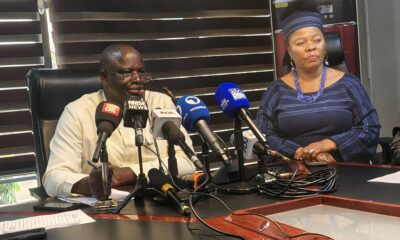
“This is not just timely, but deeply necessary,” said Michael Olubori Ehindero, President of the Spirits and Wines Association of Nigeria (SWAN), at a workshop on combatting illicit trade. “Because it is about the value of human life.”
*What Illicit Trade Really Means*
Illicit trade, Ehindero explained, covers production, importation, distribution, and sale of goods outside legal and regulatory frameworks. That includes counterfeiting, smuggling, illegal production, tax evasion, and diversion of legitimate products into unauthorised channels.
While often framed as an economic issue, “the real tragedy is that illicit trade puts lives at risk — quietly, consistently, and often invisibly,” he said.
“When counterfeit or illegally traded products enter the market, the end consumer has no protection, no recourse, and no guarantee of safety. What looks like a cheaper option can become a life-threatening decision.”
*Poison in a Bottle*
The key threats: counterfeit products, illegally produced or adulterated alcohol, and smuggling.
“These liquids are often made without quality controls, without regulatory oversight, and without regard for human health,” Ehindero said. “They may contain harmful substances, unsafe alcohol levels, or toxic additives — posing serious risks including poisoning, long-term health damage, and in extreme cases, death.”
Data on counterfeit spirits causing deaths in Nigeria.
The exact, comprehensive data is limited because many cases go unreported or aren’t conclusively traced to counterfeits. But these are confirmed incidents and data points from regulators and media.
Documented Deaths / Mass Poisoning Cases in 2025O indicated that Ogbogoro, Rivers State Suspected methanol-laced illicit gin 5 dead NAFDAC confirmed deaths after consumption of locally distilled gin. Also, investigation linked to methanol poisoning
2023 Lagos shown that fake alcoholic beverages caused 1 dead, others hospitalised NAFDAC raid in Apapa; victim died after consuming counterfeit whiskey. Over ₦300m worth of fake drinks seized.
In similar vein, the year 2022 Ogun State Counterfeit spirits recorded 4 dead, the Ogun State Govt confirmed deaths from methanol-tainted drinks sold in Ijebu area. The year 2022 Oyo State adulterated alcohol 7 dead in Ibadan State Ministry of Health traced to methanol poisoning from illicit liquor. While in 2015 Rivers & Ondo States Local gin “ogogoro” 71 dead Federal Govt banned ogogoro after methanol poisoning outbreak. NAFDAC said products contained industrial-grade ethanol
A shift to the north, Kano & Katsina in 2022 Illicit “killer” gin confirmed 15 dead NAFDAC linked deaths to locally produced gin with high methanol content sold in sachets/bottles
Scale of the Problem – Official Estimates
In Dec 2023, NAFDAC said over 70% of wine and spirit products in circulation may be counterfeit. During a Lagos raid, ₦300m+ worth of fake Hennessy, Remy Martin, Johnnie Walker, Baileys, etc. were seized.
WHO Africa estimates methanol poisoning from adulterated alcohol causes hundreds of deaths yearly across Africa, with Nigeria among high-risk countries due to porous borders and weak enforcement.
The Federal Competition and Consumer Protection Commission (FCCPC) echoed the danger. Executive Vice Chairman/CEO Tunji Bello, represented by Director of Surveillance Boladale Adeyinka, said illicit alcohol often contains methanol or improperly processed ethanol — substances “implicated in severe poisoning, long-term organ damage and in some cases, loss of life.”
“A bottle of drink may appear genuine because the packaging looks familiar. The label may imitate a trusted brand, and the seal may appear intact. Yet the contents may be diluted, contaminated, improperly stored or entirely different from what is presented,” Bello stated.
*Economic Bleeding, Reputation Damage*
Beyond health, the cost is steep. Ehindero said illicit trade costs government “billions in tax revenue” meant for education, healthcare, and infrastructure.
Legitimate businesses are undercut. “Jobs are lost. Investor confidence is shaken. This is not a victimless crime — it weakens entire value chains and slows national development,” he noted.
Nigeria’s image takes a hit too. Government advisories now warn citizens about counterfeit alcohol during peak seasons like “Detty December.”
“These narratives — whether fully accurate or not — harm tourism, damage brand Nigeria, and place unfair suspicion on legitimate businesses doing the right thing.”
*Industry, Govt Response*
SWAN members — including Bacardi, Diageo, Guinness Nigeria, Moet Hennessy, Nigerian Breweries, and Pernod Ricard Nigeria — say they’re acting through safe roads campaigns, used glass bottle collection and recycling, and regulator collaboration.
Ehindero called for stronger public-private collaboration, intelligence gathering, enforcement, and consumer awareness. “Above all, a shared commitment to protecting lives.”
FCCPC is building a national product traceability portal that will let consumers and regulators verify authenticity and origin via QR codes. Bello said illicit trade “is not merely an industry problem” but undermines consumer protection, fair competition, public revenue and market integrity.
“When counterfeit, smuggled, adulterated or falsely labelled products circulate freely, consumers are exposed to avoidable risks, lawful businesses come under unfair pressure, and confidence in the marketplace is weakened,” he said.
*Stealing Trust*
David Francis, Managing Director of Alliance Against Counterfeits Spirits (AACS), said counterfeiters “steal other companies’ intellectual property putting at risks the consumers trust, our business performance and future investments.”
He stressed AACS is non-commercial and works within the law “for a healthy life by consumers of these spirit products.”
*Way Forward*
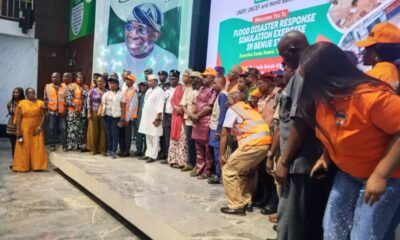
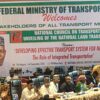
The Abuja workshop drew goodwill messages from Customs, Standards Organisation of Nigeria, and others. Three breakout groups discussed solutions and media collaboration to end illicit trading and consumption.
SWAN said Wednesday’s dialogue kicks off a larger campaign against illicit practices in Nigeria’s alcoholic spirits industry.
The association revealed that illicit trade costs Nigeria “billions in tax revenue” yearly and damages public health systems.
Truth be told, the fight won’t be won in boardrooms alone. As Ehindero put it, when a cheaper bottle lands on the table, the choice may be between saving naira — and losing a life.