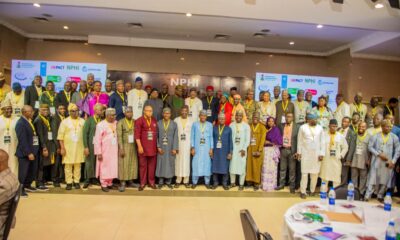
The posters were up. Hotels in the capital had blocked rooms. Delegates from more than 100 countries were penciling in June 28–30, 2026 for Abuja. Then Wednesday came with a different message.
The Federal Government announced it was postponing the 5th Global High-Level Ministerial Conference on Antimicrobial Resistance, or AMR. No new date yet. Just a promise: “A new date for the Conference will be communicated in due course.”
The statement, signed by Coordinating Minister of Health and Social Welfare Muhammad Ali Pate, said the decision followed “extensive consultations with key stakeholders and partners.” That’s diplomatic language for the complex reality of pulling off a global summit. Visas, budgets, side events, ministerial schedules — one moving piece affects them all.
“We deeply regret any inconvenience this postponement may cause,” the ministry said. “We appreciate the understanding, support, and continued cooperation of all stakeholders.”
Antimicrobial resistance is a slow-moving crisis with fast consequences. It’s what happens when bacteria, viruses, fungi, and parasites evolve to outsmart the drugs we use to kill them. A cut gets infected. Pneumonia stops responding to antibiotics. Surgery becomes riskier.
The World Health Organization calls it one of the top 10 global public health threats. By 2050, AMR could cause 10 million deaths a year if action stalls. For Nigeria and much of Africa, where access to diagnostics and regulated medicines is already uneven, the stakes are even higher.
That’s why Abuja 2026 mattered. The conference was meant to bring ministers, scientists, farmers, and youth advocates into one room under the “One Health” approach — the idea that human health, animal health, and the environment are linked. The Troika, Global Leaders Group on AMR, and the Quadripartite Joint Secretariat on AMR were all backing it, alongside member states, development partners, civil society, academia, and youth networks.
*Postponed, not cancelled*
The Federal Ministry of Health was quick to stress the difference. Nigeria still wants to host. The Local Organising Committee keeps working. Stakeholder engagement will continue.
Think of it like a theater production pausing for technical adjustments while the cast keeps rehearsing. The show isn’t off. The script is still being sharpened.
For health workers on the frontlines — the pharmacist refusing to sell antibiotics without a prescription, the veterinarian tracking drug use on farms, the researcher testing new diagnostics — the postponement changes logistics, not urgency.
“Antimicrobial resistance remains one of the most significant global health challenges of our time,” Pate said. “It requires sustained commitment and coordinated action across countries and sectors.”
For now, delegates will wait for a new date. Organizers will keep negotiating rooms, agendas, and funding. Nigeria will keep preparing to welcome the world.
That’s the tension at the heart of this postponement: a human conference delayed by human logistics, in a fight against microbes that never take a break.
When Abuja does finally host, the conversation will pick up right where it left off — with the question every minister, doctor, and farmer is trying to answer: How do we make sure the drugs we have today still work tomorrow?