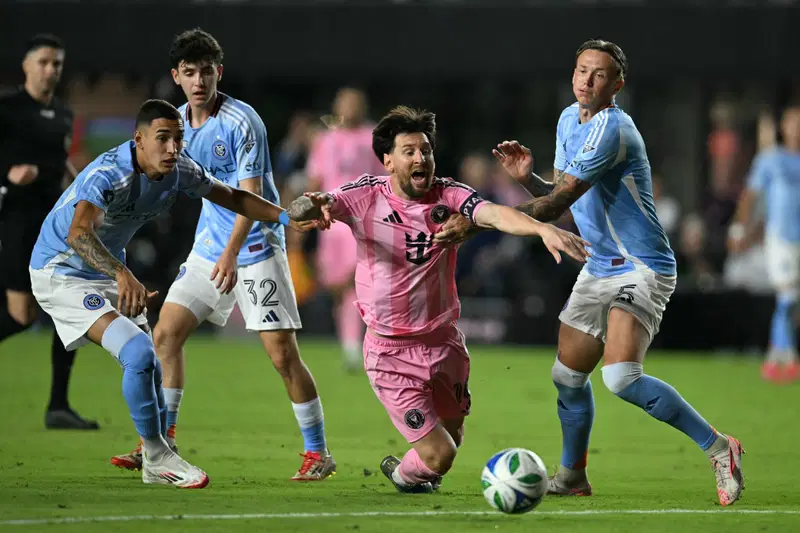
Lionel Messi has called time on his international career with Argentina after 21 years, bringing to a close one of the most decorated chapters in the history of the national team.
The 39-year-old forward made his senior debut for Argentina in 2005 and went on to win 207 caps, becoming a central figure in the country’s attack and one of its most celebrated footballers.
Messi’s international journey reached its peak with Argentina’s triumph at the 2022 FIFA World Cup, alongside two Copa América titles. He also featured in World Cup final defeats in 2014 and 2026.
Announcing his decision, Messi said the demands of international football had become too much for him physically and mentally.
“It was a decision that hurt – and still hurts deep down – but I understand that the time has come,” Messi said.
The Inter Miami star stressed that he had always given his maximum for Argentina, regardless of the setbacks he experienced earlier in his career.
“I always fought and left everything on the field for this jersey, to bring you joy and make you feel proud to be Argentine through football,” he added.
Messi said the emergence of a talented crop of younger players also influenced his decision to step aside and allow them to take their opportunity with the national team.
“There are some exceptional young players emerging who deserve this opportunity,” he said.
The football icon also disclosed that the death of his father, Jorge, earlier this month contributed to his doubts about continuing with Argentina.
Reflecting on the 2026 World Cup final against Spain in July, Messi admitted that physical limitations had also become a major concern.
“My legs could no longer continue,” he said.
“This time I attempted to push myself beyond my physical limits, but I was unable to.”
His retirement marks the end of an extraordinary international career that began with years of disappointment before culminating in major silverware for Argentina.
Messi will now concentrate on his club career with Inter Miami, where he is contracted until 2028.
His departure leaves Argentina facing a major transition, with the national team preparing to move into a new era without the player who has been its attacking leader and talisman for more than two decades.