

The International Road Federation (IRF) has urged Nigeria and other African countries to adopt predictive and risk-based maintenance strategies to maximise the value of limited infrastructure budgets.
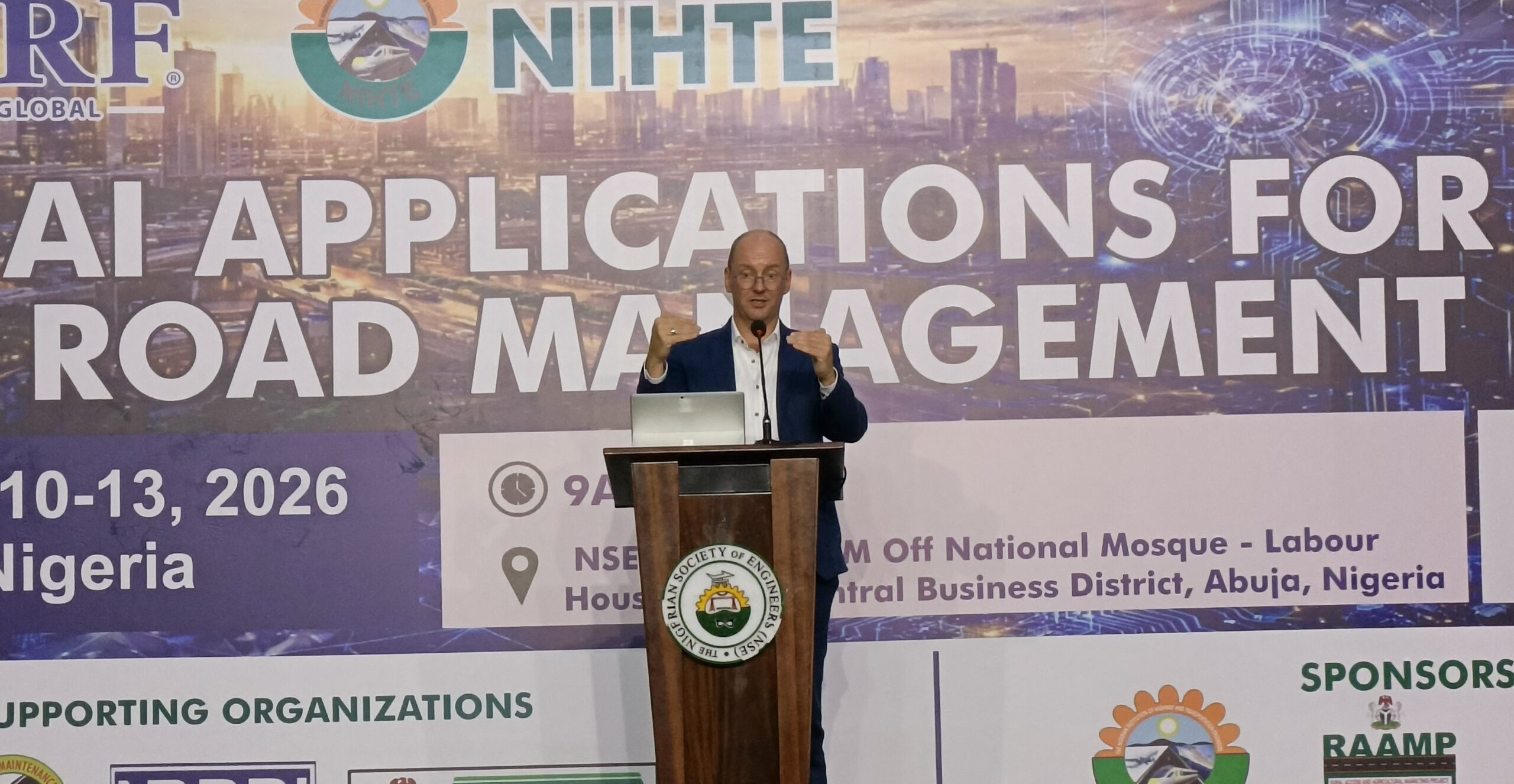
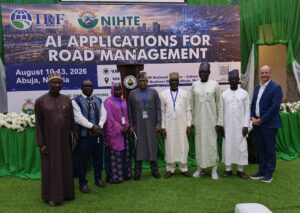
Speaking on the global perspective in a training programme organised by Nigeria Institution of Highway and Transportation Engineers in partnership with IRF on the topic “Predictive and Risk-Based Maintenance Prioritisation: Optimising Limited Budgets for Maximum Network Benefits,” an IRF representative, Martins Van Gils, said the effective use of technology and sensors could help road authorities make better decisions on when and where maintenance should be undertaken.
Van Gils said maintenance should no longer be carried out merely because it was prescribed in a manual, but should be guided by reliable data capable of identifying emerging risks and potential points of failure.
He said: “With the right technology and sensors, we can make better decisions on what maintenance actually needs to be carried out in a preventative way, and not just carry out preventative maintenance because it is in a maintenance manual to do.”
According to him, a data-driven approach would provide greater value for money, enable authorities to undertake more maintenance work within available resources and reduce the likelihood of failures across infrastructure systems.
He explained that the process should begin with identifying possible failure modes and determining the events or conditions that trigger them.
“If you look at where the failures come from and what is the event that triggers this failure, then you find the means and the right work packages for your maintenance works to be carried out by contractors,” he said.
Van Gils, however, cautioned Nigerian authorities against indiscriminate deployment of new technologies and sensors across every infrastructure asset.

He urged stakeholders to focus on locations and assets where technology and data collection would provide the greatest value, rather than installing sensors simply because the technology is available.
“I would urge you not to simply use new technology everywhere and have sensors everywhere, but only focus on those points and use sensors or data that have the highest potential,” he said.
He noted that not every infrastructure failure could be detected or prevented through sensors, stressing that excessive reliance on technology could also create unnecessary problems when faulty sensors generate false warnings.
Using vehicle tyre-pressure monitoring systems as an example, Van Gils explained that technology should support informed decision-making rather than create unnecessary alarm.
He said a warning from a sensor does not necessarily mean that immediate action is required, adding that users must understand the significance of the information being provided.
The IRF representative further emphasised the importance of combining technology with practical experience and common sense, particularly in the African context where infrastructure agencies operate with limited resources.

“What I see here in Africa is that there is no lack of practical people and common-sense people,” he said.
Van Gils said African countries should therefore avoid deploying technology for its own sake, but should invest in systems that can deliver measurable benefits in infrastructure management.
He stressed that the objective should be to ensure that every investment in technology contributes to better maintenance decisions, improved network reliability and more efficient use of scarce public resources.
The presentation formed part of discussions on modern approaches to road asset management and maintenance, with emphasis on using predictive analytics, risk assessment and targeted interventions to improve the performance and sustainability of road networks.