By Ibrahim Nasiru
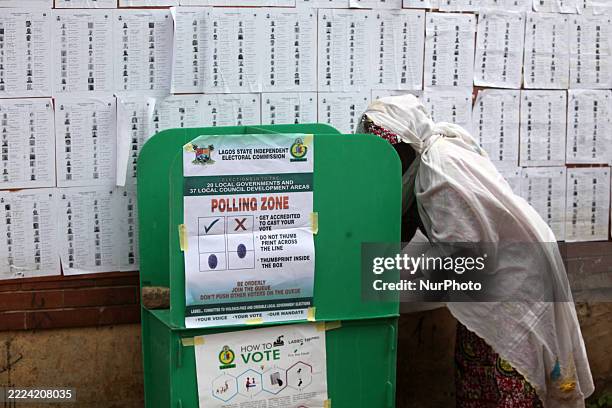
With Nigeria’s 2027 general elections drawing closer, the country’s political landscape is witnessing a shift that extends beyond familiar debates over zoning, ethnicity and regional balancing. Increasingly, attention is turning to competing visions of governance, as traditional political structures face growing calls for technology-driven reforms.
The ruling All Progressives Congress (APC) continues to strengthen its political machinery through institutional expansion and strategic alliances. Recent mobilisation efforts by the Director-General of Renewed Hope People Advocacy (RHPA), Alhaji Armayau Abubakar, reflect the party’s drive to consolidate support by attracting opposition figures and reinforcing its nationwide structure ahead of the next presidential election.
This approach follows Nigeria’s long-established political model, which places emphasis on incumbency, grassroots mobilisation, party structures and high-profile defections as key ingredients for electoral success.
However, a different narrative is beginning to emerge from sections of the opposition. Rather than relying solely on conventional political strategies, some political actors are advocating governance models anchored on technology and innovation.
One of the clearest examples came from African Action Congress (AAC) presidential candidate, Omoyele Sowore, who proposed using artificial intelligence to support the management of the Finance Ministry and deploying automated drone systems to strengthen national defence.
Although critics have questioned the practicality of such proposals within Nigeria’s current institutional framework, they reflect a growing demand among younger voters for governance systems that leverage technology to improve efficiency, reduce bureaucracy and curb corruption.
Supporters of this emerging school of thought argue that digital innovation could provide lasting solutions to challenges in public finance, service delivery and national security, while reducing dependence on manual processes.
The debate is also unfolding alongside significant legislative developments. The House of Representatives’ approval of the Executive Bill seeking to establish state police represents a major shift in Nigeria’s security architecture, with the potential to decentralise policing responsibilities across the federation.
For advocates of traditional politics, state police offer an avenue to strengthen local governance and improve community-based security. Technology proponents, however, view the initiative as an opportunity to integrate data-driven policing tools, surveillance technology and modern intelligence systems into law enforcement.
As political activities gather momentum ahead of 2027, the contest may evolve beyond personalities, campaign spending and party dominance. Instead, it could become a broader debate over how Nigeria should be governed in an era shaped by rapid technological advancement.
Ultimately, the political platform that successfully combines strong grassroots engagement with credible, technology-enabled governance may be better positioned to appeal to an increasingly youthful and digitally connected electorate.
Ibrahim Nasiru is a public affairs analyst based in Abuja.