



Connect with us

Green Corridors Key to Africa’s Low‑Carbon Economic Growth – NIHTE Deputy Chairman

News

Green Corridors Key to Africa’s Low‑Carbon Economic Growth – NIHTE Deputy Chairman

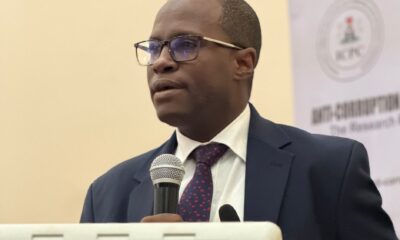
The Deputy National Chairman of the Nigerian Institution of Highway and Transportation Engineers (NIHTE), Engr. Bola Mudasiru, has called for the development of Green Corridors across Africa as a strategic pathway to promoting low‑carbon transportation, reducing environmental pollution, and driving sustainable economic growth.

Mudasiru made the call while presenting a paper titled *“Green Corridors: Promoting Low‑Carbon Transport for Sustainable Economic Growth”* at the Global Transportation Professional Networking Group, organized through the ICTA International Secretariat, USA, in collaboration with the International Road Federation (IRF), SAFEO, RFA, and transport sector stakeholders, held recently in Namibia.

He emphasized that adopting environmentally friendly transport systems would enhance economic competitiveness while helping Namibia and other African countries meet their climate change commitments.

According to him, Green Corridors are integrated transport routes designed to minimize carbon emissions through the use of cleaner fuels, energy‑efficient vehicles, improved road infrastructure, and multimodal transport systems.

Mudasiru noted that the transport sector remains one of the largest contributors to greenhouse gas emissions, making the transition to sustainable mobility essential for environmental protection and long‑term national development.

The NIHTE official urged governments at all levels to invest in cleaner transport technologies, expand electric vehicle infrastructure, encourage public transportation, and develop policies that support low‑carbon logistics and freight movement.

He further advocated stronger collaboration between government agencies, the private sector, development partners, and engineering professionals to accelerate the implementation of Green Corridor initiatives across African countries.

Mudasiru stressed that embracing sustainable transport would not only reduce carbon emissions but also improve road safety, lower operating costs, create green jobs, and stimulate economic activities.

He concluded that integrating environmental sustainability into transportation planning would position Nigeria to benefit from emerging global green economy opportunities while ensuring a cleaner and healthier environment for future generations.

He therefore called on policymakers and industry stakeholders to prioritize investments in resilient and climate‑friendly transport infrastructure capable of supporting inclusive and sustainable economic growth.

Continue Reading
You may also like...
Click to comment

Leave a Reply

Your email address will not be published. Required fields are marked *

More in News

To Top