_By Ibrahim Nasiru | Public Affairs Analyst, Abuja_
“A nation that trades its tomorrow for a hot meal today will always wake up hungry.”
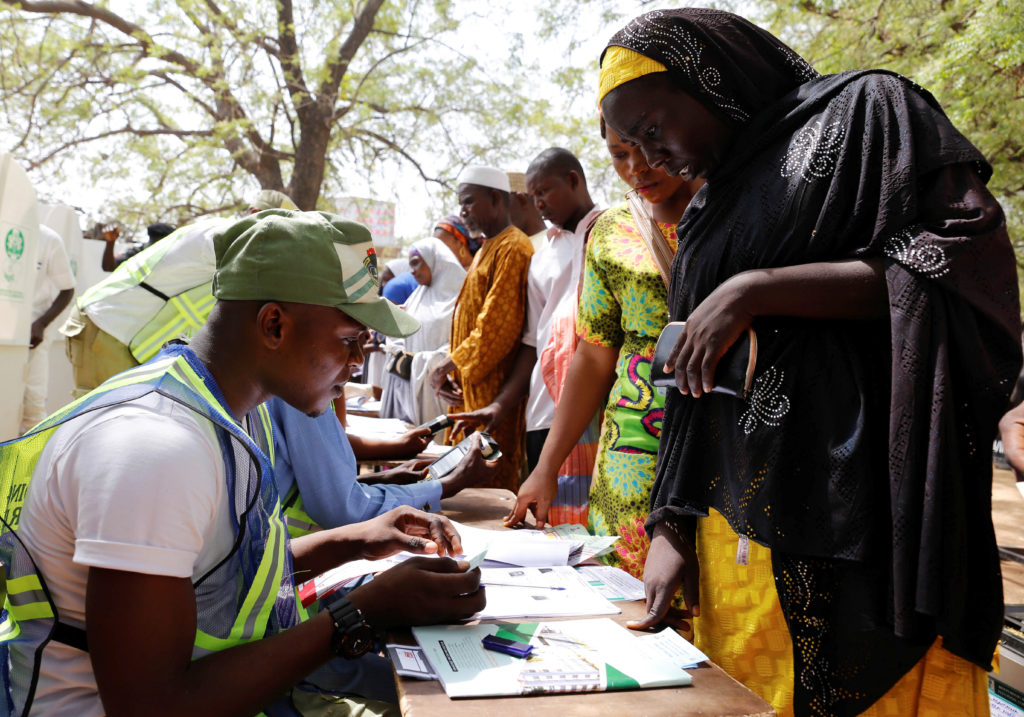
Walk through any market in Ekiti, motor park in Ilorin, or street corner in Ibadan weeks before elections, and the script is the same: bags of rice, cartons of spaghetti, kegs of cooking oil, and envelopes of cash. The ideology behind it has a name now — “stomach infrastructure” — and from Ekiti to Abuja, it’s quietly reshaping who gets to rule Nigeria.
Nigeria’s political history is a mixed grill of pan-Nigerianism, ethnocracy, and intense religiosity. Grand manifestos. Big dreams. But beneath the rhetoric, a more immediate reality has taken over: the electorate now believes more in what fills the belly today than in roads, hospitals, or power grids that may come tomorrow.
Politicians have cashed in. A deeply pauperized citizenry means votes can be bought cheap — with a meal, not a manifesto.
This isn’t new. It’s just evolved, and dangerously so.
Chief Lamidi Adedibu of Ibadan perfected “Amala politics” in Oyo State. He became the absolute strongman — nothing moved without his signature, and loyalty was served on a plate of amala with gbegiri and ewedu.
Up North, Dr. Olusola Saraki, the Waziri of Ilorin, “Oloye,” built a welfare-based empire. Constituents knew he would settle hospital bills, pay school fees, share rams at Sallah. The meal came first, the mandate followed.
Then came Ayodele Fayose in Ekiti. He didn’t just practice it — he branded it. “Stomach infrastructure” went from street slang to campaign philosophy. Handouts were no longer shameful; they were policy.
*Rice, oil, and the new currency of power*
Today the philosophy has gone national. What started as amala and cash has been rebranded for 2026: customized bags of rice stamped with a candidate’s face, spaghetti, vegetable oil, sometimes even wrappers and cash — all distributed days before elections.
From the North to the South, East to West, the formula is identical. Want sympathy? Feed the vulnerable. Want votes? Beat hunger for 48 hours.
Because the masses have been systematically impoverished, a temporary meal can secure a 4-year mandate. The transaction is simple, immediate, and devastating.
The terrifying reality is this: we are doomed to keep electing bad leaders because of a bag of rice and a packet of spaghetti.
Selling our future for one meal guarantees another cycle of decay. A bag of rice cannot build hospitals. It cannot secure roads. It cannot fix an economy or power a grid. It feeds today, but it starves tomorrow.
It is high time Nigerian electorates woke up. The ballot is not a food voucher. It is a contract. We must begin to elect people who are upright, credible, and capable of delivering the true dividends of democracy — not just handouts, but institutions, jobs, security, and dignity.
Nigeria must survive. But survival starts when we refuse to let our stomachs dictate our ballot.
When we stop trading tomorrow for today’s hot meal, then — and only then — will we stop waking up hungry.
—
_Chief Ibrahim Nasiru is a Public Affairs Analyst based in Abuja. He writes on governance, elections, and civic responsibility._