


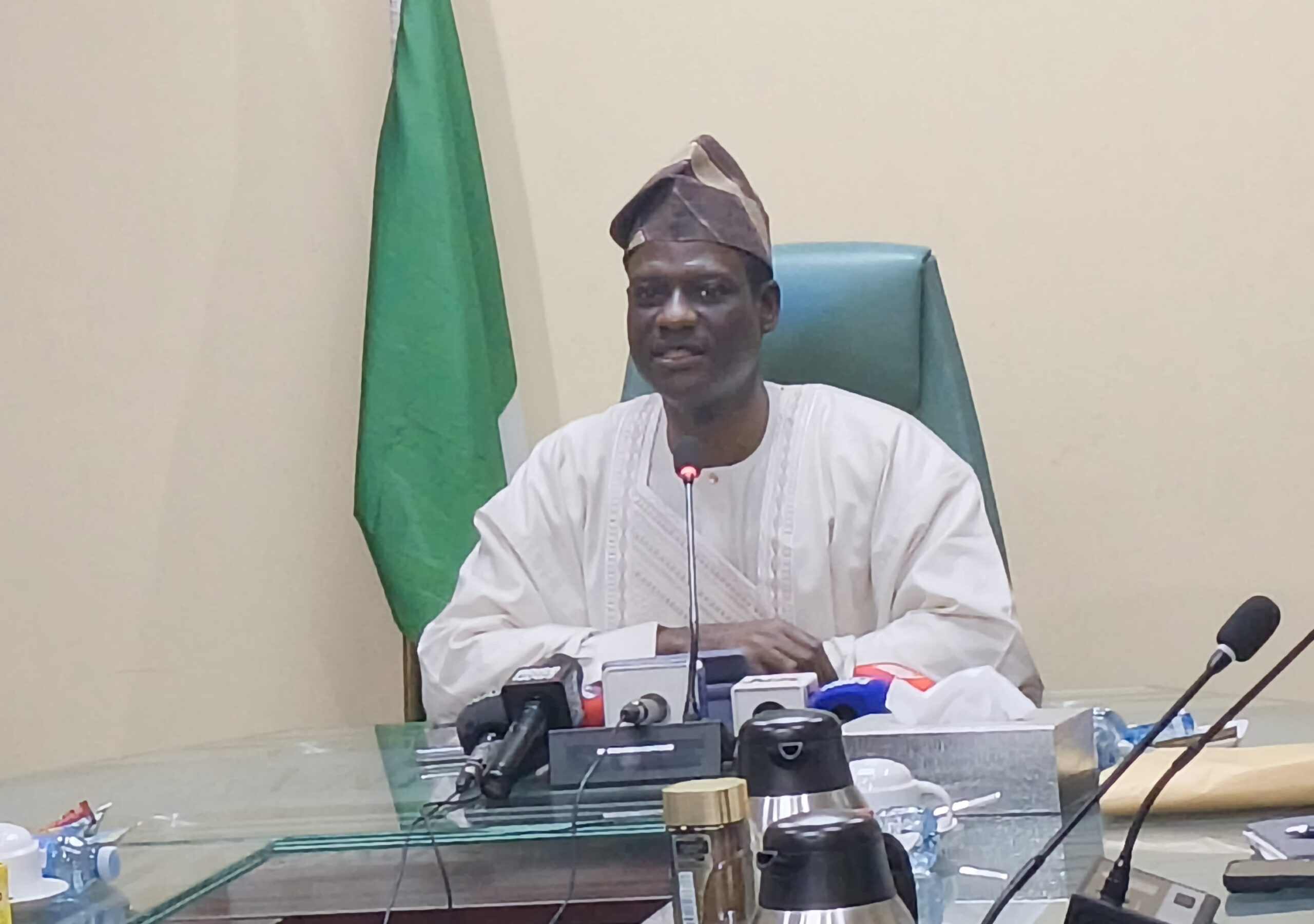
By Matthew Otabe
The Minister of Finance and Coordinating Minister of the Economy, Taiwo Oyedele, has warned that government communication campaigns and public relations strategies cannot replace effective service delivery, insisting that public confidence must be built on tangible results rather than official announcements.
Oyedele said both government institutions and corporate organisations must recognise that no amount of publicity could conceal operational failures or convince citizens when their everyday experiences contradict official claims.
He stated this on Tuesday while addressing delegates at the 2026 World Public Relations Forum (WPRF) in Abuja.
The minister argued that citizens assess the performance of government based on their realities, particularly the cost of living and access to essential services, rather than policy statements, budgetary allocations or economic statistics.
“We cannot communicate our way out of conflicts,” he said, stressing that the credibility of any national narrative depends on the actual experiences of citizens and not the volume of publicity deployed to promote government achievements.
Citing public reactions to Nigeria’s October 2026 inflation figure, which declined to a six-year low of 14.06 per cent, Oyedele said the disconnect between official economic indicators and citizens’ experiences had continued to undermine public confidence.
He noted that many Nigerians remained sceptical of the reported decline because prices of essential commodities, including bread and milk, were still high.
The minister acknowledged that policymakers had not done enough to explain important economic concepts to the public, particularly the distinction between a declining inflation rate and a reduction in the prices of goods and services.
He explained that a fall in inflation means prices are increasing at a slower rate, not necessarily that goods have become cheaper.
Oyedele also identified the controversy surrounding the government’s recent tax reforms as another example of inadequate public communication.
According to him, although the reforms contained provisions to protect small businesses and exempt low-income earners, misinformation and inadequate explanations contributed to resistance from some of the groups expected to benefit.
“Facts do not defend themselves,” he said, acknowledging that government institutions frequently lose the information battle because they fail to communicate policies effectively from the beginning.
“In a contest between a careful explanation and a frightening headline, the headline wins,” he added.
To address the growing trust deficit, Oyedele urged government institutions and corporate organisations to involve communication professionals from the policy development stage rather than engaging them only when controversies or crises emerge.
He also called for economic information to be presented in simple and accessible language, while urging institutions to respond promptly to public concerns and measure communication effectiveness through public understanding and demonstrable results.
The minister further warned that the growing culture of public cynicism, reflected in popular expressions such as “Nigeria is finished” and “Nigeria happened to me”, could discourage investment and accelerate the migration of skilled Nigerians.
He, however, maintained that citizens must retain the freedom to criticise government, expose failures and demand accountability.
Oyedele also challenged media organisations, social media influencers and digital platforms to strengthen fact-checking and verification mechanisms, particularly amid the increasing circulation of artificial intelligence-generated false information.
He urged media practitioners to apply the same standards of evidence to both positive and negative reports, warning against amplifying unverified claims capable of misleading the public.
He maintained that credible communication must be anchored on transparency, accountability and measurable performance, noting that public trust cannot be secured through publicity alone.