
The Economic Community of West African States (ECOWAS) has disclosed that its Regional Electricity Access Project (ECOWAS-REAP), a US$225 million initiative financed by the World Bank, has provided electricity to about 490 localities and nearly 500,000 people in The Gambia, Guinea-Bissau and Mali.
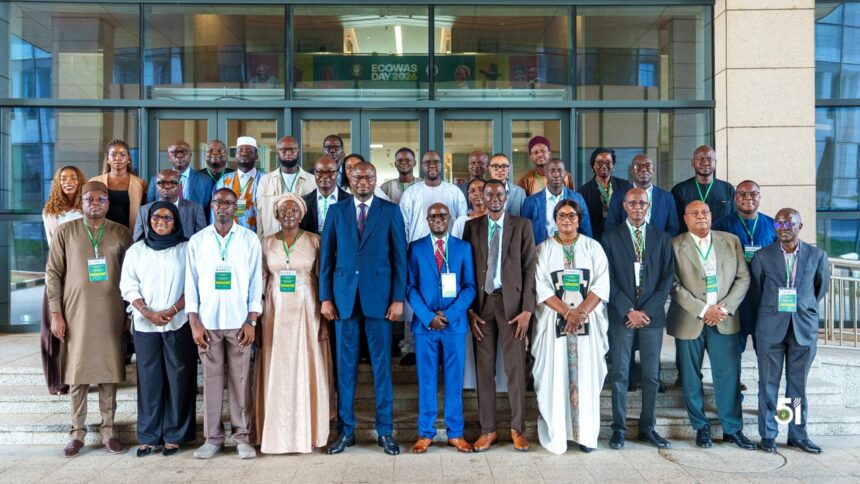
The achievement was announced at the opening of the 10th and final Steering Committee meeting of the project, organised by the ECOWAS Commission through its Directorate of Energy and Mines in Abuja.
Speaking at the meeting, the Director of Energy and Mines and Chairman of the Steering Committee, Mr. Arkadius Koumoin, commended the progress recorded under the initiative despite challenges encountered during implementation, including disruptions caused by the COVID-19 pandemic and institutional difficulties.
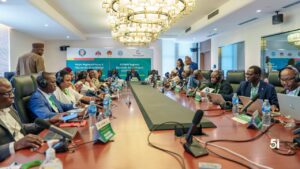
Koumoin called on stakeholders to take concrete decisions and necessary actions to ensure a responsible closure of the project, stressing that its ultimate success would be measured by the number of households effectively connected to electricity.
He emphasised the need to sustain the gains recorded and ensure that investments made under the initiative translate into lasting benefits for communities across the beneficiary countries.
Also speaking, the Managing Director of the National Water and Electricity Company (NAWEC), The Gambia, Mr. Gallo Saidy; the representative of Guinea-Bissau’s Ministry responsible for Energy, Mr. Pedro Jeus de Oliviera; and Mali’s National Director of Energy, Mr. Oussouby Mary dit Ousmane Diarra, reaffirmed their respective countries’ commitment to completing outstanding project activities.
However, the Malian delegation called for an extension of the project to enable the country to complete its remaining commitments.
FirmNews reports that ECOWAS-REAP forms part of the regional bloc’s broader efforts to deepen energy integration, expand electricity access and advance the objectives of ECOWAS Vision 2050.
The project is expected to strengthen regional cooperation in the energy sector while improving living conditions, supporting economic activities and enhancing access to reliable electricity for households across West Africa.