By Jessica Ishaku
The Agro-Climatic Resilience in Semi-Arid Landscapes (ACReSAL) Project has commenced a comprehensive review of its existing and proposed additional financing workplans ahead of a planned $500 million funding boost aimed at expanding environmental restoration and strengthening community resilience across participating states.
The proposed additional financing will raise the project’s total funding to $1.2 billion, following reported achievements that include the restoration of more than 818,000 hectares of degraded land, reaching approximately nine million beneficiaries and drilling over 963 boreholes.
The five-day review mission, held in Lagos, is focused on finalising preparations for the additional financing, strengthening implementation strategies and ensuring the long-term sustainability of investments made under the project.
Discussions are centred on procurement, fiduciary management, financial management and compliance with environmental and social framework requirements.

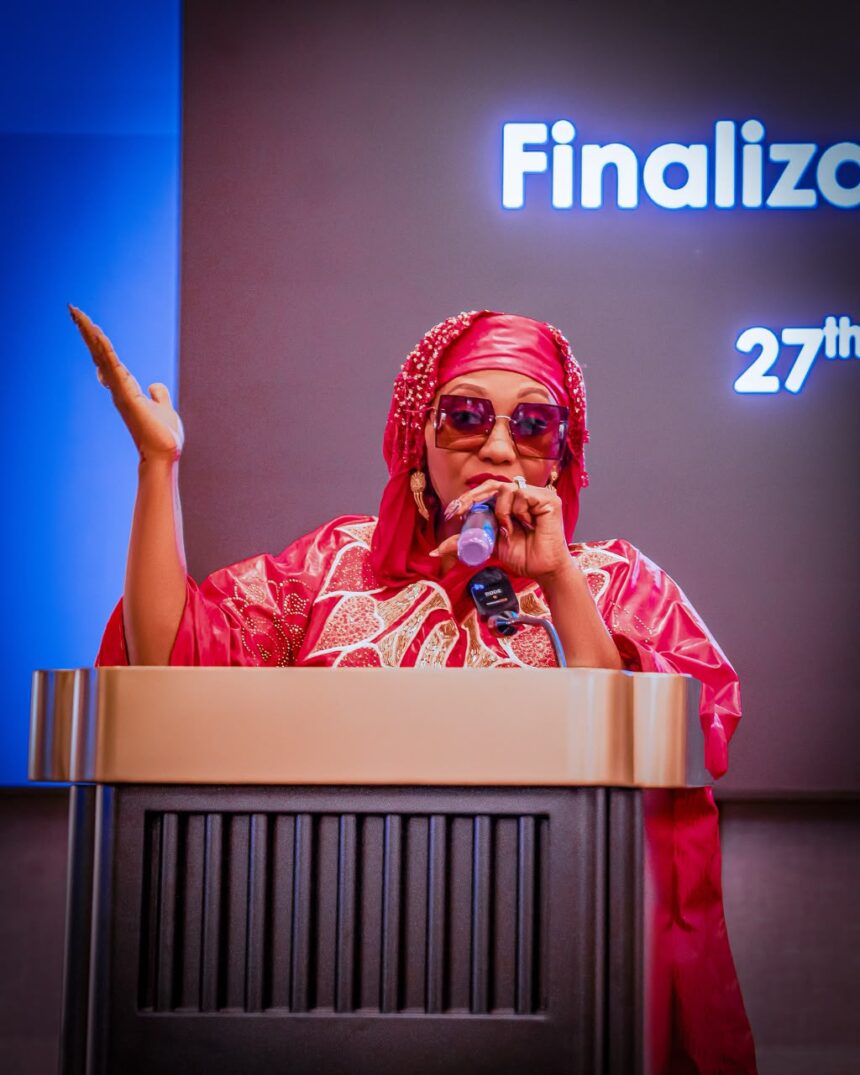
Speaking at the programme, the World Bank’s Senior Environmental Specialist and ACReSAL Task Team Leader, Dr. Joy Iganya Agene, said the engagement was designed to address outstanding issues and ensure the project meets all requirements for the proposed financing.
She identified three major conditions for accessing the additional funds: effective interstate coordination in implementing prioritised activities under Strategic Catchment Management Plans (SCMPs), particularly among states sharing hydrological priorities; a counterpart contribution of ₦1 billion from each participating state; and the establishment of state-level coordination and sustainability platforms supported by legislation and dedicated budgetary allocations.
Dr. Agene disclosed that all participating states had met the interstate coordination requirement but warned that states that fail to provide the mandatory ₦1 billion counterpart contribution would be ineligible to access the additional financing once it becomes effective.
She also stressed the importance of establishing legally backed and adequately funded sustainability mechanisms to preserve the project’s achievements beyond its implementation period.
According to her, the proposed financing is tied to performance and sustainability indicators recorded during the project’s first four years, making it essential for participating states to demonstrate their commitment to sustaining the gains.
Earlier, the National Project Coordinator of ACReSAL, Abdulhamid Umar, described the mission as a significant milestone, attributing the proposed additional financing to the project’s performance over the past four years.
He commended the Federal Government’s relevant ministries, departments and agencies for providing the institutional support, technical guidance and enabling environment that have contributed to the project’s progress.
Umar said ACReSAL’s achievements had strengthened the confidence of development partners and reinforced their commitment to providing the additional $500 million to scale up interventions.
He explained that the workplan review would focus on finalising and expanding investments, improving integration across project activities and establishing mechanisms to ensure the long-term sustainability of interventions.
The National Project Coordinator emphasised that the additional financing workplan must prioritise high-impact interventions directly linked to the project’s core objectives rather than non-essential expenditures.
He specifically cautioned against indiscriminate procurement of new vehicles, stressing the need to channel available resources towards activities that would deliver measurable environmental and livelihood benefits.
Umar further disclosed that relevant project documents would be reviewed to ensure alignment with ACReSAL’s evolving objectives and strategic priorities.
He expressed confidence that the workshop would produce practical and sustainable workplans capable of expanding the project’s impact, strengthening community resilience and preserving development gains for future generations.
Also speaking, the World Bank’s Senior Water Resources Management Specialist and ACReSAL Co-Task Team Leader, Engr. Chinedu Umolu, described the five-day programme as a critical opportunity to consolidate existing achievements while addressing areas requiring improvement.
He noted that the project’s progress made it imperative to sustain implementation momentum, urging participants to develop realistic and well-coordinated workplans that reflect ACReSAL’s broader objectives and facilitate effective execution.
Umolu commended the project team for its commitment to continuous improvement, expressing optimism that the deliberations would strengthen implementation strategies, improve institutional coordination and deliver better results.
The workshop is expected to strengthen implementation readiness for the proposed additional financing, improve collaboration among participating institutions and position ACReSAL to deliver greater environmental restoration and livelihood benefits across the participating states.
The project continues to pursue its overarching goal of restoring degraded landscapes, improving natural resource management and building the resilience of communities affected by climate-related challenges.
ACReSAL: Greening the Environment, Saving Lives!