

The Federal Government has confirmed a case of Ebola disease in the Federal Capital Territory (FCT), Abuja, with 44 contacts identified as health authorities intensify efforts to prevent further transmission.
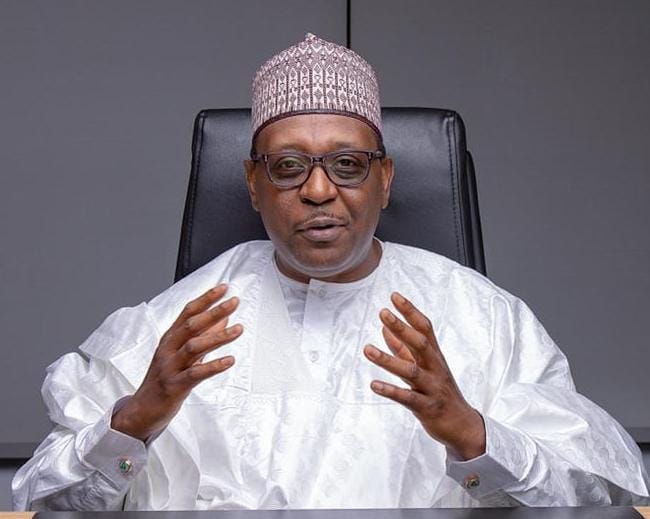
The Minister of Health and Social Welfare, Prof. Muhammad Ali Pate, disclosed this in a statement on Tuesday, October 20, 2026, following laboratory confirmation of the infection.
According to the minister, the patient is a woman who recently arrived in Nigeria on an international flight from Uganda and was subsequently admitted to a private hospital in the FCT, where she received treatment for several days before the diagnosis was confirmed.
The woman is currently in isolation and receiving medical care, while relevant public health agencies have activated response measures to contain the infection.
Pate said the Federal Ministry of Health and Social Welfare, the Nigeria Centre for Disease Control and Prevention (NCDC), and the FCT Health Services Secretariat were working with other relevant authorities to prevent further spread of the disease.
He disclosed that contact-tracing efforts had commenced, with 44 contacts identified for monitoring. Health officials are also working to identify additional individuals who may have been exposed to the virus, including healthcare workers, patients, caregivers and travel contacts.
As part of the containment measures, surveillance has been intensified, while the private hospital where the patient received treatment is being supported to strengthen its infection prevention and control procedures.
The Federal Government has also directed public and private healthcare facilities across the country to remain on high alert and strengthen their preparedness to detect and respond to suspected cases.
Healthcare workers have been urged to maintain a high index of suspicion, promptly identify and isolate suspected cases, adhere strictly to infection prevention and control protocols, and immediately report suspected infections to the appropriate public health authorities.
The minister called on Nigerians to remain calm and cooperate with public health officials, stressing the importance of observing preventive measures to reduce the risk of infection.
He advised citizens to practise regular handwashing and avoid direct contact with the blood and other body fluids of anyone suspected of having Ebola.
The government said the ongoing surveillance and contact-tracing efforts were aimed at identifying potential exposures early and preventing further transmission of the disease.