


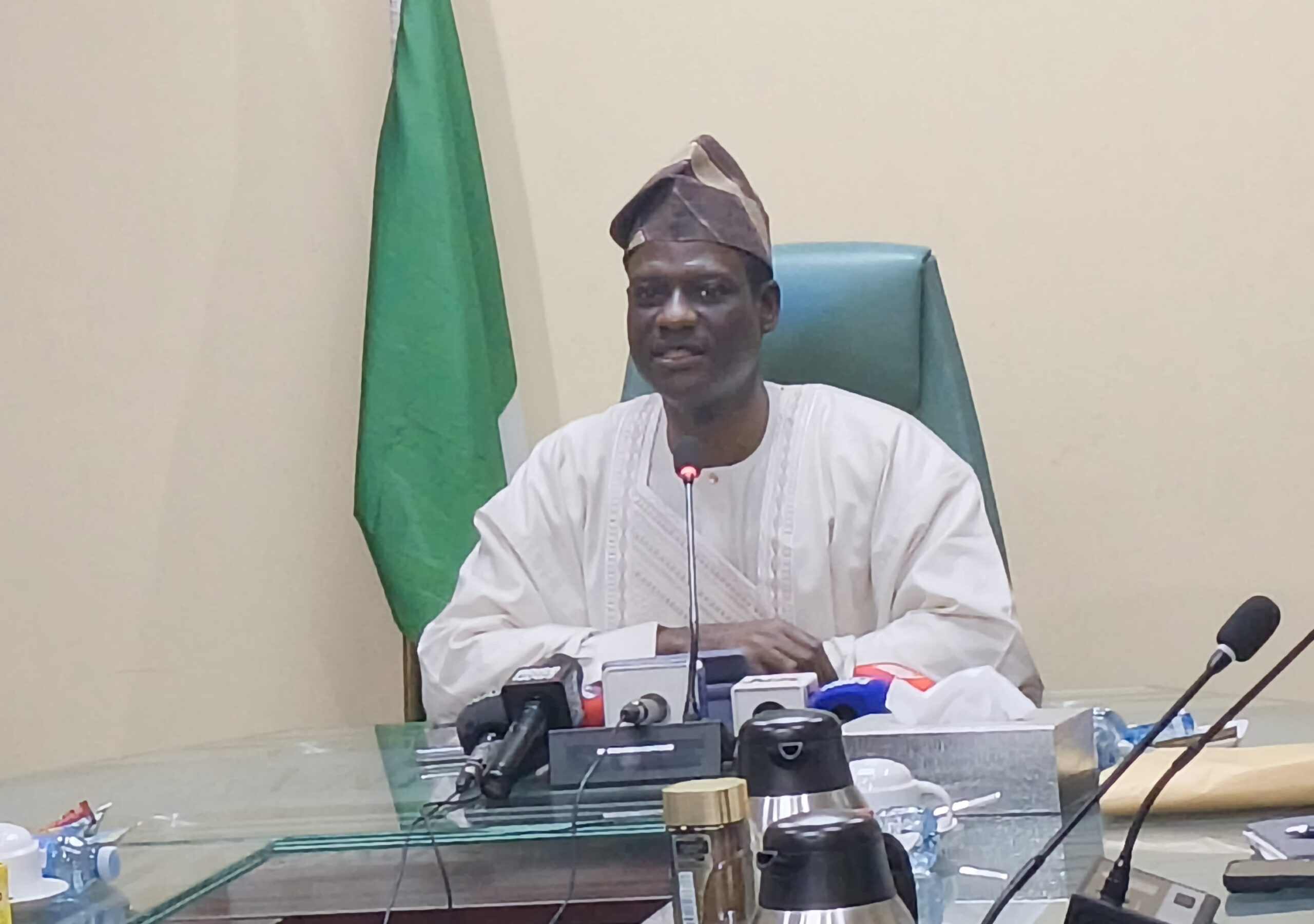
Nigeria’s Minister of Finance and Coordinating Minister of the Economy, Taiwo Oyedele, has urged African countries to learn from Nigeria’s economic reform experience to promote sustainable growth, strengthen regional trade and improve the living standards of citizens.
Oyedele made the call at the Africa’s Golden Future Forum in Bangkok, Thailand, where he emphasised the importance of properly sequencing economic policies, maintaining consistent communication and building public trust in the reform process.
He identified fuel subsidy removal, foreign exchange liberalisation and tax reform as key elements of Nigeria’s economic reform programme, noting that the timing and sequence of policy implementation were critical to managing their effects on households and businesses.
According to the minister, removing the fuel subsidy before liberalising the foreign exchange market helped manage the impact of rising costs associated with the reforms.
He stressed that strong institutions, effective communication and policy consistency were essential to sustaining reforms and securing public confidence.
Oyedele said Nigeria’s reform programme was aimed at creating the foundation for inclusive economic growth, employment generation and increased productivity.
He, however, noted that African countries must address structural challenges limiting trade and investment to fully harness the continent’s economic potential.
The minister called for the removal of trade barriers, improved infrastructure and stronger regional cooperation to maximise the benefits of the African Continental Free Trade Area (AfCFTA).
He disclosed that Nigeria was developing an economic policy framework to improve coordination among trade, fiscal and monetary policies.
Oyedele identified investments in energy, logistics, storage and processing facilities as critical to strengthening African economies, enhancing competitiveness and facilitating cross-border commerce.
He also highlighted Nigeria’s National Single Window initiative, designed to simplify trade documentation, streamline border procedures and improve the efficiency of import and export activities.
On the social implications of economic reforms, the minister emphasised the need for effective social protection programmes to cushion vulnerable citizens against rising living costs.
He said Nigeria’s cash transfer programme had reached more than 10 million households, while over 1.5 million students had benefited from education support initiatives.
AfDB President Advocates Implementation of Reforms
Also speaking at the forum, President of the African Development Bank (AfDB), Sidi Ould Tah, called on African governments to translate policy commitments into practical actions capable of delivering measurable development outcomes.
Ould Tah said the bank had supported economic reforms in Nigeria and Egypt through budget support and was collaborating with development partners to expand electricity access across the continent.
He cited Mission 300, an initiative launched in partnership with the World Bank and other development partners to connect 300 million Africans to electricity by 2030, as an example of the collective effort needed to address Africa’s infrastructure deficit.
According to him, more than 30 African countries had signed energy compacts requiring coordinated reforms, infrastructure investment and private sector participation to expand electricity access.
The AfDB president also highlighted the limited level of intra-African trade, which he said accounted for approximately 15 per cent of the continent’s total trade, compared with 40 per cent and 60 per cent in other regions.
He said the bank devoted more than 60 per cent of its financing to infrastructure development, including regional projects aimed at improving connectivity, facilitating trade and promoting continental integration.
Ould Tah further explained that the African Development Fund’s regional financing mechanism could cover up to 90 per cent of eligible regional projects involving more than two African countries.
He said the facility was designed to address financing constraints that often hinder cross-border infrastructure development and regional cooperation.
The discussions at the forum underscored the importance of coordinated economic policies, effective reforms, infrastructure development and stronger regional partnerships in accelerating Africa’s economic transformation.