

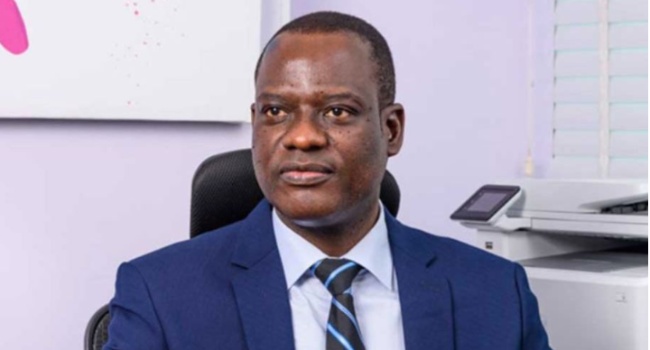
Nigeria’s Minister of Finance and Coordinating Minister of the Economy, Taiwo Oyedele, has led developing economies in demanding reforms to the global financial system to ensure affordable development financing, fairer representation in international institutions and faster resolution of sovereign debt challenges.
Oyedele made the call while chairing the G-24 Board of Governors meeting on the sidelines of the International Monetary Fund (IMF) and World Bank Annual Meetings in Bangkok, Thailand, on October 14, 2026.
The meeting brought together governors from member countries, alongside IMF Managing Director Kristalina Georgieva and World Bank Senior Managing Director Axel van Trotsenburg, who represented the bank’s president, Ajay Banga.
The global financial leaders commended Oyedele’s leadership of discussions focused on the mounting economic pressures confronting emerging and developing economies amid geopolitical tensions, volatile commodity prices, climate-related shocks and tightening global financial conditions.
Oyedele said developing countries were facing rising borrowing costs due to higher interest rates, expanding fiscal deficits in advanced economies and increasing demand for financing to support artificial intelligence and energy infrastructure.
He stressed the need for reforms that would enable developing economies to access affordable and sustainable financing for infrastructure, economic transformation and development priorities.
The minister called for progress on IMF quota and governance reforms, improved representation of developing countries at the World Bank, better access to development financing and more predictable debt restructuring arrangements involving all creditors.
He also advocated increased climate financing, stronger international tax cooperation to tackle tax avoidance and illicit financial flows, and a greater voice for developing economies in global decision-making platforms, including the G-20.
Oyedele Identifies Three Lessons
In his closing remarks, Oyedele highlighted three major lessons from the deliberations, emphasising the importance of building economic resilience before crises emerge, adopting artificial intelligence responsibly and strengthening international cooperation.
He said governments needed to prepare proactively for economic shocks rather than wait until crises occur before implementing corrective measures.
On artificial intelligence, the minister called for responsible adoption and regulation to ensure that technological advancement supports inclusive economic growth and creates employment opportunities.
He further stressed that international cooperation remained essential to addressing shared challenges, including energy insecurity, food price volatility, supply-chain disruptions, debt vulnerabilities and climate change.
IMF Warns of Growing Economic Divide
Georgieva described the global economy as resilient, with growth projected at approximately 3.1 per cent through 2026.
However, she warned that the overall outlook concealed a widening gap between economies benefiting from digital transformation, artificial intelligence investment and critical-mineral supply chains, and those struggling with high energy costs, conflict and limited access to technology.
According to her, persistent pressures on energy and food prices were contributing to elevated interest rates and debt-servicing costs, further constraining the fiscal space available to developing countries.
She urged governments to rebuild fiscal buffers, protect central bank independence, invest in digital infrastructure and skills development, and accelerate debt treatment under the G-20 Common Framework.
Georgieva also reiterated the need for further IMF quota reforms to strengthen the institution’s capacity to respond to the needs of its diverse membership.
World Bank Mobilises $27.4bn in Crisis Financing
Van Trotsenburg disclosed that the World Bank had mobilised approximately $27.4 billion in crisis-related financing to support countries confronting urgent economic and development challenges.
He said ten countries had activated dedicated crisis-response instruments, while 19 others had redirected existing resources to address pressing needs.
He also raised concerns about the potential impact of El Niño-related disruptions on food security and grain prices, warning of the additional pressure such developments could place on vulnerable economies.
The World Bank official reaffirmed the institution’s commitment to expanding electricity access, healthcare delivery and digital connectivity, while supporting job creation across sectors such as tourism, healthcare, food systems and manufacturing.
He emphasised the importance of mobilising private capital and expanding climate finance to complement public resources and accelerate development.
Developing Countries Demand Reforms
Contributions from G-24 member countries reinforced calls for a more inclusive global financial architecture.
Brazil, China and Pakistan supported stronger representation for developing economies and reforms of the Bretton Woods institutions, which include the IMF and World Bank.
The Philippines advocated deeper regional financial integration, while Kenya called for stronger policy buffers and expanded local-currency financing to reduce exposure to external financial shocks.
Egypt highlighted the effects of supply-chain disruptions and capital outflows, while Lebanon and Syria drew attention to the financing difficulties confronting countries affected by conflict.
Pakistan, which is expected to assume the G-24 chairmanship, pledged to sustain the focus on development financing and keep the needs of developing economies central to the group’s agenda.
The deliberations underscored the limitations of domestic economic reforms in shielding developing countries from external shocks without corresponding changes to the international financial system.
Participants agreed that affordable financing, effective debt-resolution mechanisms, fairer representation in international financial institutions and sustained global cooperation remained critical to achieving resilient and inclusive economic growth.
The G-24 is a grouping of developing countries that coordinates positions on international monetary affairs, development financing and reforms of the global economic system.