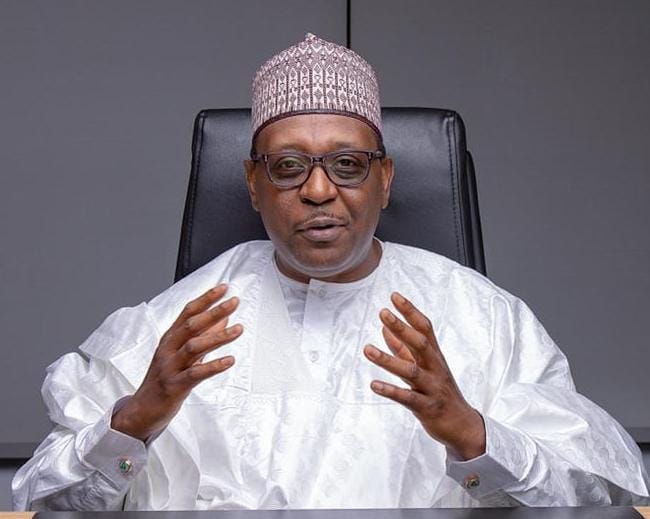
The Federal Government has called for greater involvement of adolescents in the formulation, implementation and evaluation of policies and programmes affecting their health, education, safety and overall development.
The Coordinating Minister of Health and Social Welfare, Prof. Muhammad Ali Pate, made the call through the Director of Hospital Services, Bisola Adegoke, who represented him at an event to commemorate the 2026 International Adolescent Health Week.
The minister said adolescents should not be treated merely as beneficiaries of health interventions but recognised as active partners whose experiences, perspectives and priorities must shape policies and services designed for them.
He spoke on the theme of this year’s celebration, “Nothing About Us Without Us: Power, Voice and Health Equity for All Adolescents.”
According to him, the theme underscores the need for meaningful adolescent participation in decisions that affect their present circumstances and future prospects.
He described adolescence as a critical stage of life characterised by significant physical, emotional, social and psychological changes, noting that the support young people receive during this period can influence their health and well-being throughout their lives.
Pate said investing in adolescent health and development was both a public health priority and a strategic investment in Nigeria’s human capital and productivity, given the significant proportion of the country’s population represented by young people.

He noted that the Federal Ministry of Health and Social Welfare had continued to strengthen institutional frameworks, policies and programmes to address the diverse health and developmental needs of adolescents.

Among the measures, he said, was the establishment of an Adolescent and School Health Branch to improve coordination of adolescent health interventions nationwide.
He also highlighted the development of a dedicated framework and budget line for adolescent health, alongside policy instruments such as the National Policy on Adolescent Health and Development, the National Clinical Protocol on Adolescent Health and Development, and the revised training manual.
The minister urged state governments to replicate these initiatives in line with their specific needs and circumstances.
On strengthening the capacity of healthcare workers, Pate said the ministry had intensified efforts over the past three years to equip health personnel with the skills required to provide adolescent-friendly services.
He explained that the initiative, supported by the European Union and other development partners, had benefited states including Sokoto, Adamawa and Akwa Ibom, with more than 1,300 health workers trained.
He said the Federal Government was committed to expanding the training to more primary and secondary healthcare facilities across the country to ensure that adolescents had access to respectful, confidential, non-judgmental and quality healthcare.
On improving access to essential services, the minister said adolescent-focused interventions under the 2025 health sector expansion programme were designed to improve reproductive health outcomes and advance universal health coverage through stronger primary healthcare and community outreach services.
He listed the interventions to include family planning, HIV screening and testing, the management of sexually transmitted infections and human papillomavirus (HPV) vaccination.
According to him, the HPV vaccination programme introduced in 2023 has reached more than five million adolescent girls, providing protection against cervical cancer.
He described the initiative as evidence of the government’s commitment to preventive healthcare and reducing the burden of diseases among women and girls.
Pate also acknowledged the role of development partnerships in expanding access to integrated health services, citing support for maternal, child and adolescent health in Adamawa State through the European Union-supported programme mentioned at the event.
However, he said that despite the progress recorded, more work was required to ensure that adolescents were actively involved in decisions concerning their welfare.
He observed that policies and programmes affecting young people were sometimes developed without adequately considering their experiences, concerns and priorities.
The minister stressed that the theme of the 2026 International Adolescent Health Week should go beyond slogans and translate into concrete action.
He said meaningful adolescent participation must be reflected in policy development, programme design, implementation, monitoring and evaluation.
He further called for inclusive and equitable interventions that address the needs of adolescents across different social, economic and cultural backgrounds, including those in and out of school, residents of urban and rural communities, young people in hard-to-reach areas, persons with disabilities and those from vulnerable and disadvantaged backgrounds.
According to him, adolescent health interventions should extend beyond sexual and reproductive health to embrace a comprehensive, multisectoral approach supported by quality service delivery, innovative strategies and appropriate digital platforms.
Addressing adolescents directly, the minister assured them that their voices, experiences, ideas and participation mattered in shaping government policies and programmes.
He urged young people not to remain passive observers but to contribute meaningfully to discussions and decisions affecting their health, education, safety and future.
He also called on parents, healthcare workers, educators, development partners, civil society organisations, community-based organisations, traditional and religious leaders, and the media to strengthen their collaboration in advancing adolescent health and development.
Pate, however, cautioned adolescents against excessive use of mobile phones and social media, particularly when such habits interfere with their sleep, studies and general well-being.
While acknowledging the educational and informational benefits of digital platforms, he urged young people to use them responsibly and in moderation.
He emphasised the importance of adequate sleep, rest, relaxation and healthy daily routines, noting that adolescents needed to balance their use of technology with other essential activities.
The minister called on stakeholders to move beyond declarations of commitment and implement practical, measurable actions that would create genuine opportunities for adolescents to participate in decisions affecting their lives.
He said Nigeria must work towards a society where every adolescent is heard, valued, protected and empowered to access the healthcare services and opportunities needed to realise their full potential.
He concluded by reiterating the central message of the celebration: “Nothing about us without us.”