

Featured By Matthew Otabe
For thousands of adolescent girls, the dream of completing their education is often threatened not by a lack of ambition or ability, but by the financial circumstances of their families. While some struggle to remain in school, others are forced to abandon their aspirations because the cost of education has become an obstacle they cannot overcome.
It is against this backdrop that the Strong Enough Girls’ Empowerment Initiative (SEGEI) is intensifying efforts to ensure that more girls from low-income families and underserved communities have access to education, mentorship and the opportunities needed to build better futures.
With a target of enrolling at least 100 girls in school in 2026, the organisation is seeking increased funding and stronger partnerships to expand its interventions and address the financial barriers keeping adolescent girls out of the classroom.
The initiative’s campaign reflects a broader understanding of adolescent development: that the health and well-being of young people cannot be separated from their education, mental health, personal growth and ability to realise their potential.
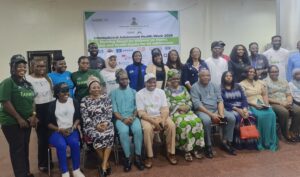
Speaking on Monday during activities marking International Adolescent Health Week in Abuja, Queen Ugwoeru, Programme Manager of SEGEI, said empowering adolescent girls requires deliberate investment in the resources and opportunities that enable them to thrive.
For her, the challenge goes beyond getting girls into school. It is also about ensuring that they acquire the knowledge, confidence and critical-thinking skills needed to make informed decisions, identify problems in their communities and contribute to finding solutions.
“Adolescent health and well-being are more than their physical health. It involves their mental health and their capacity to actualise their potential,” Ugwoeru said.
Her remarks underscore the organisation’s belief that education should be recognised as a fundamental component of adolescent health and empowerment rather than treated as a separate development concern.
Turning Educational Dreams into Reality
At the heart of SEGEI’s work is a scholarship programme designed to support girls whose educational ambitions are threatened by financial hardship.
Through the programme, the organisation provides assistance to girls from disadvantaged backgrounds, helping them remain in school and pursue their educational goals.
Its interventions extend beyond Nigeria to other African countries, including Uganda, Kenya, Zambia demonstrating the organisation’s commitment to supporting girls across national boundaries.
According to Ugwoeru, SEGEI combines scholarships with mentorship programmes for young women and comprehensive sexuality education outreaches in secondary schools and communities across Nigeria.
The approach recognises that adolescent girls require more than financial assistance to succeed. They also need guidance, relevant information and supportive environments that enable them to navigate the challenges of growing up.
For girls who lack access to these opportunities, such interventions can provide a foundation for personal development and informed decision-making.
Ugwoeru explained that education equips adolescents with the critical-thinking skills required to understand the challenges confronting their communities and participate meaningfully in addressing them.
Without such skills, she suggested, young people may struggle to identify the problems around them or develop practical solutions.
This is why SEGEI considers educational empowerment central to its mission of helping adolescent girls achieve their full potential.
Two Girls to Benefit from Health Ministry Partnership
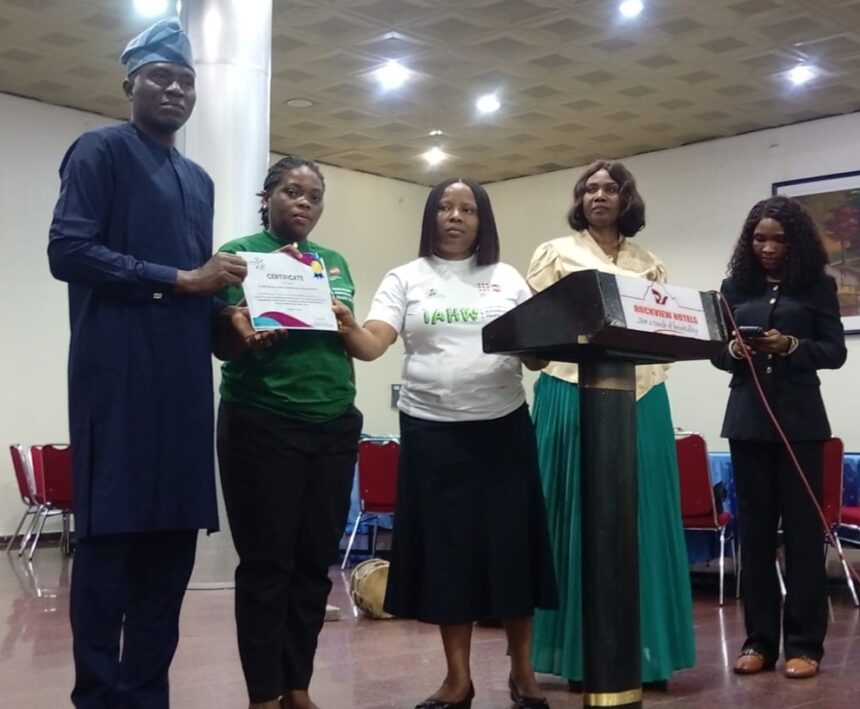
In a practical demonstration of this commitment, SEGEI has partnered with the Federal Ministry of Health and Social Welfare to provide scholarships to two winners of the Fix My School Innovation Challenge.
The beneficiaries are students from public secondary schools who distinguished themselves through their submissions to the innovation challenge.
Ugwoeru said the scholarship intervention was intended to ease the financial burden on the students and enable them to continue their education without constantly worrying about how to meet school expenses.
The initiative also reflects an effort to connect educational support with young people’s capacity to identify challenges and propose improvements within their learning environments.
By supporting the two winners, SEGEI hopes to give them greater opportunities to develop their abilities and pursue their ambitions.
The partnership illustrates how collaboration between government institutions and civil society organisations can help address some of the challenges confronting vulnerable students.
However, the organisation’s broader ambitions extend well beyond the two beneficiaries.
Its 2026 target of enrolling at least 100 girls demonstrates the scale of its commitment to expanding access to education, particularly among those who might otherwise be left behind.
From 60 Beneficiaries to a Target of 100 Girls
Providing further details on the organisation’s progress, Oluwatosin Omiyale, Programme Officer and Education Coordinator of SEGEI, disclosed that more than 60 girls had received support to remain in school at the secondary and tertiary levels.
The beneficiaries include girls in Nigeria and other African countries, including Uganda and Zambia.
Omiyale said the organisation had already enrolled 14 girls under its 2026 programme and was working towards meeting its target of supporting at least 100 girls before the end of the year.
The target represents an effort to extend the reach of the scholarship programme and provide more girls with opportunities to continue their education.
Yet, despite the progress recorded, the organisation faces a significant challenge: funding.
Omiyale identified inadequate financial resources as the major obstacle to expanding the initiative, explaining that many girls remained out of school because their families could not afford the cost of education.
She said the number of girls requiring assistance was greater than the organisation’s current capacity, making additional funding and partnerships essential to achieving its objectives.
The challenge, therefore, is not simply identifying girls who need educational support but mobilising sufficient resources to reach them.
SEGEI is appealing to individuals, corporate organisations, government agencies and development partners to support its efforts to reduce the number of girls whose education is interrupted by financial hardship.
For the organisation, every additional scholarship represents an opportunity to keep another girl in school and help her pursue a future that might otherwise be limited by her family’s economic circumstances.
Why Adolescent Health Must Go Beyond Physical Well-being
SEGEI’s interventions also raise an important question about how society understands adolescent health.
While physical health remains essential, Ugwoeru believes that the mental, educational and social dimensions of young people’s lives deserve equal attention.
Adolescence is a critical stage of development during which young people acquire knowledge, form attitudes, develop their identities and begin making decisions that can influence their futures.
When girls lack access to education, mentorship and reliable information, their ability to make informed choices and pursue their aspirations may be constrained.
SEGEI’s combination of scholarships, mentorship and comprehensive sexuality education is intended to address some of these needs.
The organisation’s approach also recognises that empowering girls requires attention to their circumstances and the barriers that prevent them from accessing opportunities.
For girls from low-income households, financial assistance can help remove one immediate obstacle to education. Mentorship can provide guidance, while sexuality education can equip adolescents with information relevant to their health and well-being.
Together, these interventions form part of a broader effort to create conditions in which girls can learn, grow and make informed decisions about their lives.
‘Let Adolescents Have a Voice’
Beyond expanding access to education, Ugwoeru has called on government agencies, civil society organisations and development partners to involve adolescents in developing programmes intended to improve their lives.
She argued that young people should not merely be recipients of interventions designed by adults but should have opportunities to contribute to decisions affecting their health, education and general well-being.
According to her, adolescents should participate in programme design, implementation, monitoring and evaluation.
Their views, she stressed, must not only be heard but also reflected in the decisions and actions taken by programme organisers.
Ugwoeru explained that such participation would promote a sense of ownership among young people and increase the likelihood that interventions would remain effective even after external funding ended.
The argument places young people at the centre of development programmes rather than treating them as passive beneficiaries.
It also challenges stakeholders to consider whether the initiatives they implement genuinely reflect the needs and priorities of the adolescents they intend to serve.
For SEGEI, sustainable empowerment requires more than delivering assistance. It also involves creating opportunities for young people to participate in shaping the programmes that affect them.
A Collective Responsibility to Rescue Girls’ Education
SEGEI’s call for increased funding highlights the need for sustained collaboration among government institutions, private organisations, development partners and individuals committed to improving educational access.
Although the organisation has supported more than 60 girls and set a target of enrolling 100 in 2026, the scale of its ambition will depend partly on its ability to mobilise resources and build stronger partnerships.
Ugwoeru has urged stakeholders to recognise education as an instrument of empowerment and a necessary investment in the future of young people.
“Education means power,” she said, calling for collective efforts to address the challenge of out-of-school girls in Nigeria.
Her appeal reflects the reality that educational exclusion is not merely a problem for individual families. It also raises wider concerns about the opportunities available to young people and their ability to contribute to their communities.
When financial difficulties prevent girls from completing their education, the consequences can extend beyond the classroom, limiting their access to knowledge, skills and opportunities for personal advancement.
Addressing these barriers requires sustained support for programmes that help vulnerable girls enter school, remain in education and acquire the resources needed to fulfil their ambitions.
Beyond Scholarships: Investing in the Future
As activities marking International Adolescent Health Week draw attention to the needs of young people, SEGEI’s message is clear: adolescent well-being must be approached as a combination of physical health, mental wellness, education and empowerment.
The organisation’s ambition to enrol at least 100 girls in school in 2026 provides a measurable goal around which stakeholders can mobilise support.
However, achieving that target will require more than goodwill. It will demand the financial resources, institutional partnerships and sustained commitment needed to reach girls whose educational opportunities remain constrained by poverty.
Through its scholarship scheme, mentorship programmes and comprehensive sexuality education outreaches, SEGEI is seeking to create opportunities for adolescent girls to learn, develop confidence and pursue their dreams.
Its appeal also serves as a reminder that young people should have a voice in shaping the programmes designed for their benefit.
Ultimately, the success of such efforts will depend not only on how many girls receive scholarships but also on whether they are able to remain in school, develop their abilities and access opportunities to build fulfilling futures.
For every girl whose education is sustained, a barrier is removed and another possibility opens.
And for SEGEI, the goal is to ensure that financial hardship does not become the reason another adolescent girl is denied the opportunity to learn, grow and realise her full potential.