
By Matthew Otabe
Médecins Sans Frontières (MSF) has marked 30 years of humanitarian and medical intervention in Nigeria, reaffirming its commitment to providing lifesaving healthcare to vulnerable communities across the country.
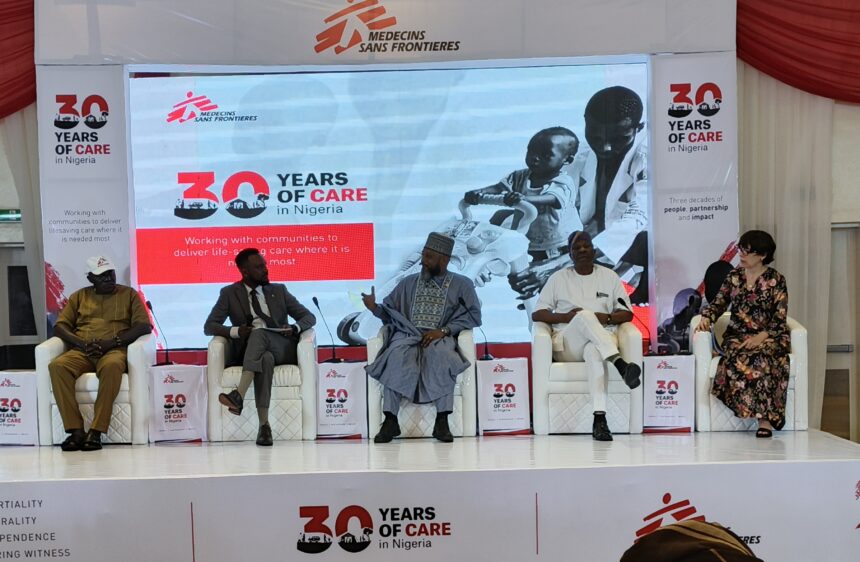
Speaking at the 30th anniversary celebration in Nigeria on Wednesday, September 30, 2026 in Abuja with the theme “Thirty Years for Nigeria: A Legacy of Trust, A Future of Action,” MSF Country Representative, Dr. Abdikadir Armiye, said the organisation’s three decades of service had been defined by medical interventions, emergency response and partnership with communities and government authorities.
Armiye said MSF began its operations in Nigeria in 1996 in response to a meningitis epidemic affecting Kano, Bauchi and Katsina states.
He noted that what started as an emergency response had since evolved into a broad medical programme covering maternal and paediatric healthcare, nutrition, vaccination, surgery, tuberculosis and HIV treatment, as well as emergency interventions for communities affected by conflict and displacement.
According to him, MSF currently operates projects across nine states, working with the Ministry of Health at federal, state and local government levels, as well as humanitarian partners.
“Today, MSF runs projects across nine states, working alongside the Ministry of Health at every level and alongside our humanitarian partners,” he said.
The MSF country representative said the organisation considered the trust built with Nigerian communities over the past 30 years as one of its most significant achievements.
“For thirty years, Nigerian communities have welcomed MSF into their homes and their lives, trusting us at some of the most difficult moments a family can face. That trust is perhaps our greatest achievement,” he said.
However, Armiye warned that the scale of humanitarian and health needs in Nigeria continued to grow, particularly the challenge of malnutrition among children.
He disclosed that MSF treated 425,634 children for acute malnutrition in 2025, stressing that the figure represented individual children and families facing serious hardship.
“Behind every one of those numbers is a child, a name, a mother who carried her child for hours to reach us,” he said.
Armiye stressed that while treatment remained essential, addressing malnutrition required greater emphasis on prevention and tackling the conditions that drive vulnerability.
He said malnutrition, disease and displacement were interconnected, noting that children weakened by malnutrition were more susceptible to diseases, while conflict could deprive families of food, healthcare and other essential services.
He identified malaria, cholera, diphtheria, measles and neglected diseases such as noma as continuing health concerns requiring coordinated intervention.
The MSF representative called for sustained collaboration among government institutions, humanitarian organisations, development partners and communities to address the challenges.
He reaffirmed MSF’s founding principle that medical care should be provided according to need, regardless of nationality, religion, ethnicity, political affiliation or social status.
UN commends MSF’s humanitarian role
In her goodwill message, the United Nations Development Programme (UNDP) Resident Representative in Nigeria, Elsie Gyekyewaa Attafuah, described MSF’s 30 years of service as a record measured in lives saved and communities supported.
Representing the United Nations family in Nigeria, Attafuah commended MSF staff and partners for their work in responding to disease outbreaks, conflict, displacement and barriers to healthcare.
She said MSF had contributed to maternal and newborn care, nutrition services and treatment for children affected by noma and other devastating diseases.
According to her, the organisation’s independent voice had also helped draw attention to neglected humanitarian emergencies and encouraged governments, donors and humanitarian actors to respond more effectively.
Attafuah said the anniversary came at a time when humanitarian needs remained significant, particularly in northern Nigeria.
She referenced MSF’s treatment of more than 400,000 children for acute malnutrition in 2025, saying the figure reflected deeper challenges, including insecurity, rising food prices, disrupted livelihoods and limited access to essential services.
She said recovery was possible in parts of the North-East where governments, communities and development partners had worked to rebuild homes, restore basic services and revive livelihoods.
However, she noted that recovery remained uneven, with violence, displacement, hunger and disease continuing to affect communities in the North-West, North-Central and other parts of the country.
Attafuah identified three priorities for stronger collaboration: protecting people and access to healthcare; linking treatment with prevention and sustained services; and investing in Nigerian leadership and institutional capacity.
She said patients should be able to access treatment without fear, while health workers, medical facilities and humanitarian organisations must be protected.
She also called for stronger coordination in areas including early detection of malnutrition, vaccination, safe water, maternal healthcare and referral services.
The UNDP representative commended MSF’s Nigerian staff and community partners, stressing the importance of skilled personnel, adequately funded institutions and meaningful participation by affected communities.
She said government investment, international support and contributions from Nigeria’s private sector and philanthropic organisations all had roles to play in sustaining humanitarian interventions.
FG commends MSF’s contribution to healthcare
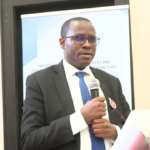
The Minister of Information and National Orientation, Mohammed Idris, represented by the Director-General of the National Orientation Agency, Lanre Issa-Onilu, commended MSF for its three decades of humanitarian service in Nigeria.
The minister said MSF had consistently delivered lifesaving medical care to vulnerable populations, particularly in difficult and crisis-affected environments.
He highlighted the organisation’s contributions to emergency and frontline healthcare, support for displaced populations and interventions targeting women, children and underserved communities.
According to him, MSF had also provided medical support in areas where health systems were under pressure, supported local capacity and worked with communities and healthcare professionals to improve standards of care.
He said the organisation’s work reflected values of dignity, equity and service to humanity, which he described as consistent with Nigeria’s commitment to humanitarian action.
Idris congratulated MSF on the 30th anniversary and expressed the government’s readiness to strengthen collaboration with the organisation.
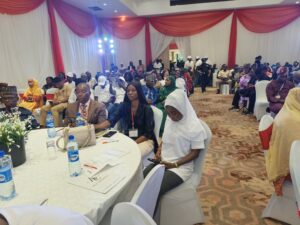
The anniversary celebration brought together government officials, diplomatic representatives, traditional and community leaders, health and humanitarian partners, members of the media and representatives of communities served by MSF.
The event also came on the eve of Nigeria’s 66th Independence anniversary