By Simsim Jaga
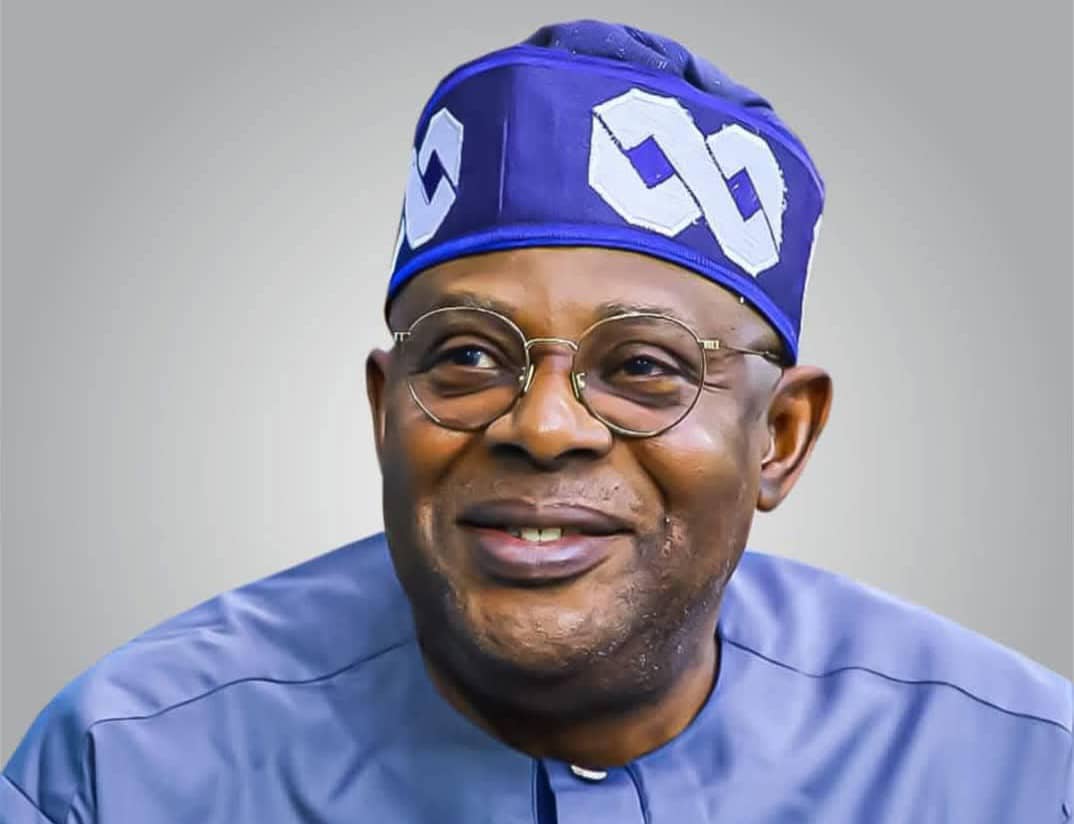
Ten years after Prince Abubakar Audu died mid-collation in the 2015 Kogi governorship race, the politics of that unfinished mandate still echoes inside the APC. And at the heart of it is Hon. James Abiodun Faleke.
From running mate to a man who challenged a party decision at the Supreme Court, to a key figure in the President’s inner circle, Faleke’s name keeps surfacing whenever the APC faces a tough election. The latest: the party’s August 15, 2026 loss in Osun.
From Kogi 2015 To The Centre Of Power
On November 21, 2015, Audu was leading the Kogi governorship election when he died on November 22. As his running mate, Faleke wrote INEC to claim the mandate. The APC instead substituted Yahaya Bello, who had come second in the primary.
Faleke fought it up to the Supreme Court and lost. But the battle branded him as a politician willing to challenge the establishment, even his own party.
That reputation followed him from Lagos politics to the House of Representatives, where he has served in influential committees and built close ties with the Tinubu political structure.
Osun 2026: The Campaign That Raised New Questions
Governor Ademola Adeleke beat APC’s Bola Oyebamiji 511,067 votes to 444,815. Faleke was on ground for the campaign and his online clash with Davido over the election process put him back in the headlines.
But within Osun APC, the post-mortem has turned messy. Some stakeholders blame former Governor Gboyega Oyetola for candidate imposition. Others point to federal actors, resource deployment, and how appointments were handled.
Faleke’s role in shaping strategy has now become part of that debate. The claims are unproven, but the conversation has shifted scrutiny to him.
The Allegations: Contracts, Appointments, INEC Links
Away from elections, other murmurs are circulating.
Some contractors allege they have been edged out of federal opportunities, with the President’s name allegedly invoked in dealings without his knowledge.
In the South-West, questions are also being raised about how federal appointments are distributed and whether they reflect one network more than the broader party.
Online posts have also linked Faleke to individuals in strategic positions within electoral institutions.
None of these allegations have been independently verified. But left unaddressed, they risk creating a narrative that access to government is narrowing around a few individuals.
A Pattern Of Controversy
This is not the first time Faleke’s name has come up in intra-party fights.
He was mentioned in discussions around the Edo Assembly speakership crisis. In 2016, a Kogi lawmaker publicly accused him of involvement in that Assembly’s instability.
Whether he was directly involved or just caught in larger power plays is still contested. What is clear is that his name keeps appearing at flashpoints.
What Does He Want? The 2027 Question
That is the question now dominating APC strategy rooms.
Faleke’s profile — from House of Reps leadership positions to proximity to President Tinubu — puts him in a position to aim higher. Political talk already links him to:
House leadership, Chief of Staff, Kogi governorship, and even a long-range presidential ambition.
Sources close to him say some advisers are urging him to focus fully on delivering Tinubu’s 2027 re-election rather than open a Kogi governorship contest that could split the APC in the state.
But in politics, influence rarely stays static. It either serves a principal, or it becomes a base of its own.
The Tinubu Dilemma
For President Tinubu, Faleke represents a larger challenge every president faces: managing powerful allies.
The Osun loss should force a review of how campaigns are run, who controls resources, and how appointments are shared. If allegations of overreach by people around the presidency are false, they should be debunked quickly. If true, they should be corrected before they harden into a liability.
Tinubu built his career on managing networks. But networks can turn from assets to problems when loyalty to a person begins to rival loyalty to the party project.
So the question is not just about Faleke’s past. It’s about the future:
Is he an engine for the Tinubu project, or is he quietly building a platform that could one day compete with it?
For now, there is no clear answer.
But after Osun, the President may need to look inward as much as outward. Because sometimes the biggest threat to a ruling party is not the opposition. It’s the dynamics inside the camp.
—
_Simsim Jaga is a public affairs commentator.