

The welfare of military personnel has once again taken centre stage following the disclosure that President Bola Ahmed Tinubu will soon announce another salary increase for members of the Armed Forces of Nigeria (AFN).
While the expected pay rise is welcome news for soldiers and their families, it also reflects a broader national conversation about the role of welfare in strengthening security and national defence.
For years, Nigeria’s military has remained at the forefront of the country’s fight against terrorism, banditry, kidnapping, oil theft, and other security threats. Thousands of troops have spent long periods away from their families, often serving in difficult and dangerous environments. Many have paid the ultimate price, while countless others continue to make personal sacrifices in defence of the nation.
Against this backdrop, improving the welfare of military personnel has become more than a labour issue—it is increasingly viewed as a strategic investment in national security.
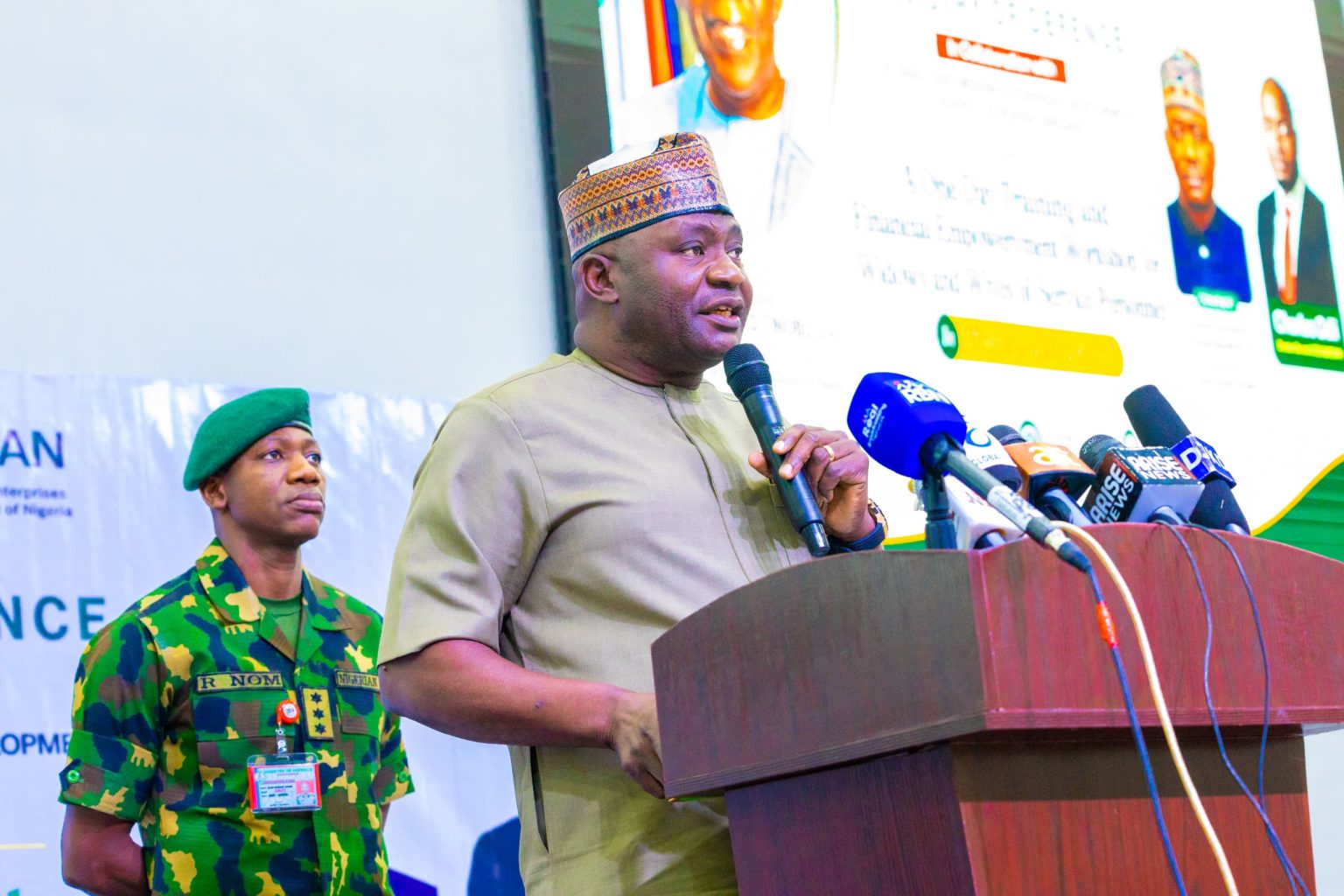
Speaking during a training and financial empowerment workshop for widows and wives of military personnel in Abuja, the Minister of Defence, General Christopher Gwabin Musa (retd.), revealed that another salary review is on the horizon.
According to the minister, military salaries had already risen from ₦49,000 to ₦100,000 during his tenure as Chief of Defence Staff after sustained advocacy. He indicated that the Federal Government is pursuing another upward review, expressing confidence that President Tinubu will soon make the official announcement.
His remarks suggest that government recognises that those entrusted with defending the country deserve remuneration that reflects the risks and responsibilities associated with military service.
The significance of the minister’s remarks extends beyond the issue of pay.
At the workshop, themed “Renewed Hope for Families of the Armed Forces of Nigeria Through Entrepreneurship and Enterprise Development,” attention shifted to another often-overlooked aspect of military welfare—the economic wellbeing of soldiers’ families.
Military spouses frequently shoulder enormous responsibilities while their partners are deployed for extended periods. They manage homes, raise children, and provide emotional stability despite uncertainty and prolonged separation. Widows of fallen personnel face even greater challenges as they rebuild their lives after losing loved ones in service to the nation.
General Musa acknowledged these sacrifices, describing the resilience of military spouses and widows as an essential pillar supporting troop morale.
His message underscored a simple reality: a soldier performs better when confident that loved ones at home are secure and financially stable. Recognising that salaries alone cannot address every financial challenge, the Ministry of Defence partnered with the Small and Medium Enterprises Development Agency of Nigeria (SMEDAN) to promote entrepreneurship among military families.
As part of the programme, SMEDAN announced the disbursement of ₦25 million to 500 widows and wives of soldiers serving on the frontlines to support small businesses.
Beyond financial grants, beneficiaries are also expected to receive business development training, financial literacy education, and support for enterprise growth.
Such interventions represent a shift from traditional welfare programmes towards sustainable economic empowerment, enabling families to generate independent sources of income while reducing financial vulnerability.
Military analysts have long argued that welfare plays a critical role in operational effectiveness.
Competitive salaries, healthcare, housing, insurance, education, and family support contribute significantly to troop morale. Personnel who feel valued are often more motivated, disciplined, and committed to their duties.
While equipment, intelligence, and training remain indispensable components of military success, human welfare remains equally important. Even the best-equipped force can experience declining morale if personnel struggle with financial hardship.
This explains why many countries continually review military remuneration in response to changing economic realities.
The Bigger Picture
Nigeria continues to confront complex security challenges across multiple theatres of operation. Sustaining military operations requires not only modern equipment and effective leadership but also a motivated workforce.
If implemented, another salary increase would complement ongoing efforts to improve the welfare of serving personnel and recognise the sacrifices made by those protecting the nation’s territorial integrity.
Equally important is the government’s growing emphasis on supporting military families through entrepreneurship and financial inclusion programmes, acknowledging that national security is strengthened when both soldiers and their families receive meaningful support.
Ultimately, the anticipated salary review is about more than higher pay. It signals a broader commitment to placing the welfare of military personnel and their families at the heart of Nigeria’s security strategy—recognising that behind every soldier on the frontlines stands a family whose resilience contributes quietly but significantly to the defence of the nation.