By Matthew Otabe
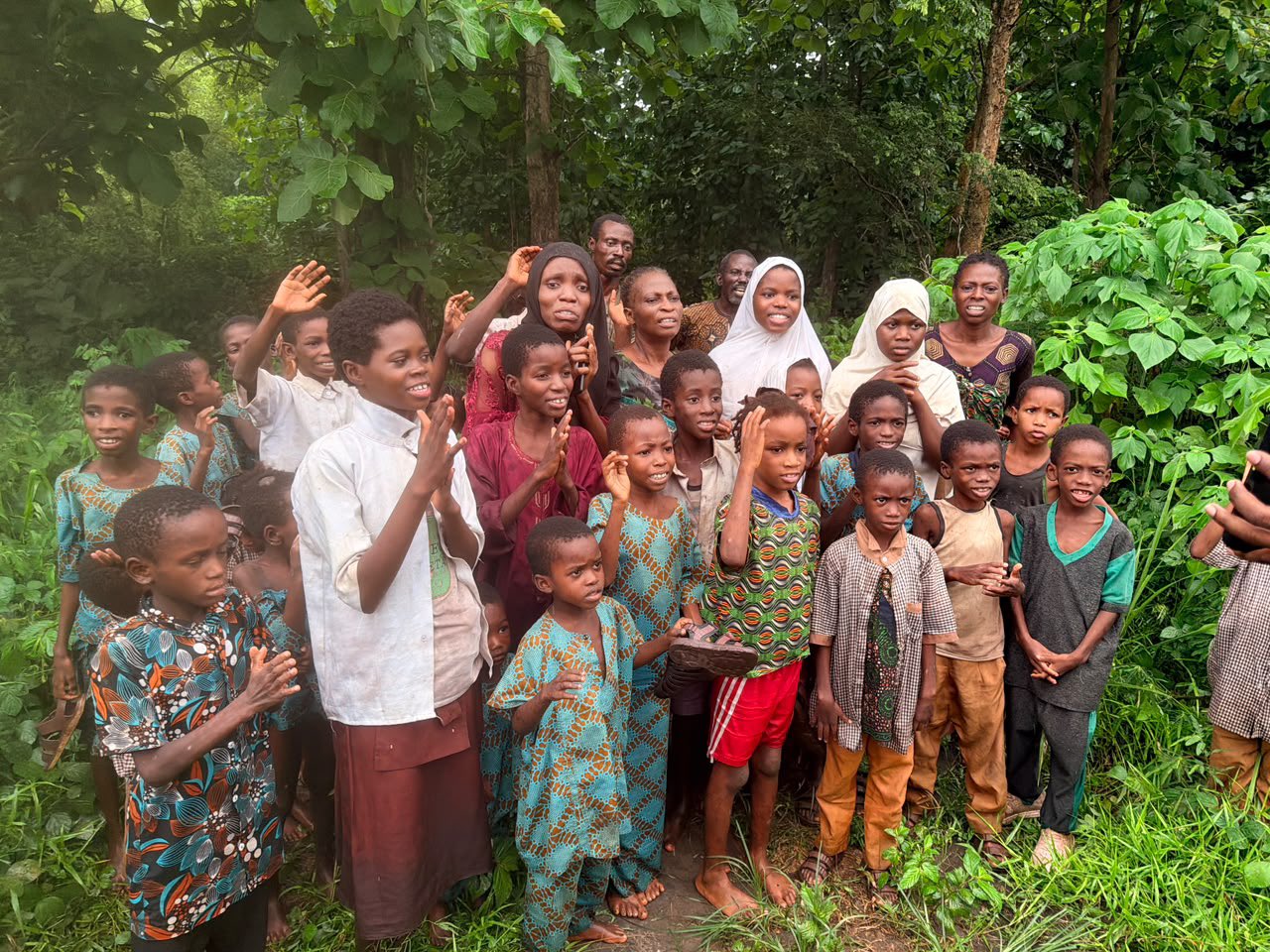
ORIIRE — When heavily armed men stormed Oriire last month and abducted civilians, they came with a list.
Their demands were not just money. They wanted the release of two detained terrorist commanders, two new Hilux vehicles, payment of ransom, and the implementation of Sharia-related laws.
The names they specifically mentioned sent a chill through security circles: Mahmud Usman, also known as Abu Bara’a or Abbas Mukhtar, and his deputy, Abubakar Abba, alias Isah Adam or Mahmud Al-Nigeri. Both are identified by security agencies as leaders of Jama’atu Ansarul Muslimeena Fi Biladis Sudan — Ansaru — a breakaway faction of Boko Haram with links to Al Qaeda. The DSS arrested them last year.
It was a classic terrorist playbook: leverage human lives to free commanders, fund operations, and force policy concessions.
But this time, the response from Abuja was different.
A Policy Shift
Investigations into the Oriire kidnapping are still ongoing. But security sources say the operation is being guided by a clear directive from President Bola Tinubu’s administration: no ransom payments, and no negotiations with terrorists.
That policy is what led, in part, to the arrest of family members of the kidnappers. According to the sources, children of suspects who committed no offence will be released. However, any of the wives found to have participated in the criminal activities will face prosecution in line with the law.
For many Nigerians, the Oriire case has become the latest test of a growing belief within security and policy circles: that lengthy negotiations with heavily armed terrorist groups can sometimes be riskier than carefully planned rescue missions backed by credible intelligence.
Why Negotiations Are Losing Favor
For years, ransom payments and back-channel talks were the default. They got people home. But they also created a cycle.
Security analysts argue that every payment funds more weapons. Every released commander returns to the battlefield. Every concession signals that abduction works.
“Once you start negotiating for commanders or for the state to implement parts of an extremist agenda, you are no longer dealing with a criminal act. You are dealing with state blackmail,” a senior security source said.
The demands in Oriire underscored that shift. This was not just about money. The kidnappers wanted strategic assets — vehicles, prisoners, and ideological concessions. Granting them, sources argue, would have set a precedent far beyond one community.
The Human Cost and the Legal Line
The decision to arrest family members has drawn attention. Human rights advocates worry about guilt by association. Security officials insist the line is clear.
“Children of the suspects who committed no offence will be released,” a source said. “But if wives or others took part in planning, logistics, or harbouring, then the law must take its course.”
That distinction, officials say, is central to dismantling the support networks that allow kidnapping gangs to operate with impunity.
Meanwhile, the hunt for the Oriire victims continues. Officials declined to give details, citing operational security, but said intelligence-led operations remain the priority over prolonged dialogue.
A Risky Calculation
The rescue-first doctrine is not without risk. Negotiations, however flawed, sometimes end without a shot fired. Raids can go wrong.
But proponents argue the long-term cost of negotiation is higher. Releasing Abu Bara’a and Isah Adam, for example, would return two of Ansaru’s most experienced leaders to the field — men linked to attacks, recruitment, and cross-border operations.
“They asked for commanders, cars, and laws,” another source noted. “Pay that once, and every group will copy it tomorrow.”
As the Oriire investigation continues, the message from the Tinubu administration appears firm: the state will not trade its security architecture for hostages.
For communities living in the shadow of kidnappers, that resolve offers both hope and anxiety. Hope that the cycle can be broken. Anxiety that the path to that end may be long, and dangerous.
In Oriire, and in other flashpoints across the country, Nigeria is testing a hard proposition: that the safest way to bring people home is to make it unprofitable — and unsustainable — to take them in the first place. Thanks to our gallant military operations for this greater win.