

The Federal Government says it is turning to private sector investors and development partners to fix Nigeria’s healthcare power crisis through the Nigeria Power for Health Initiative (NPHI).
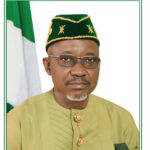
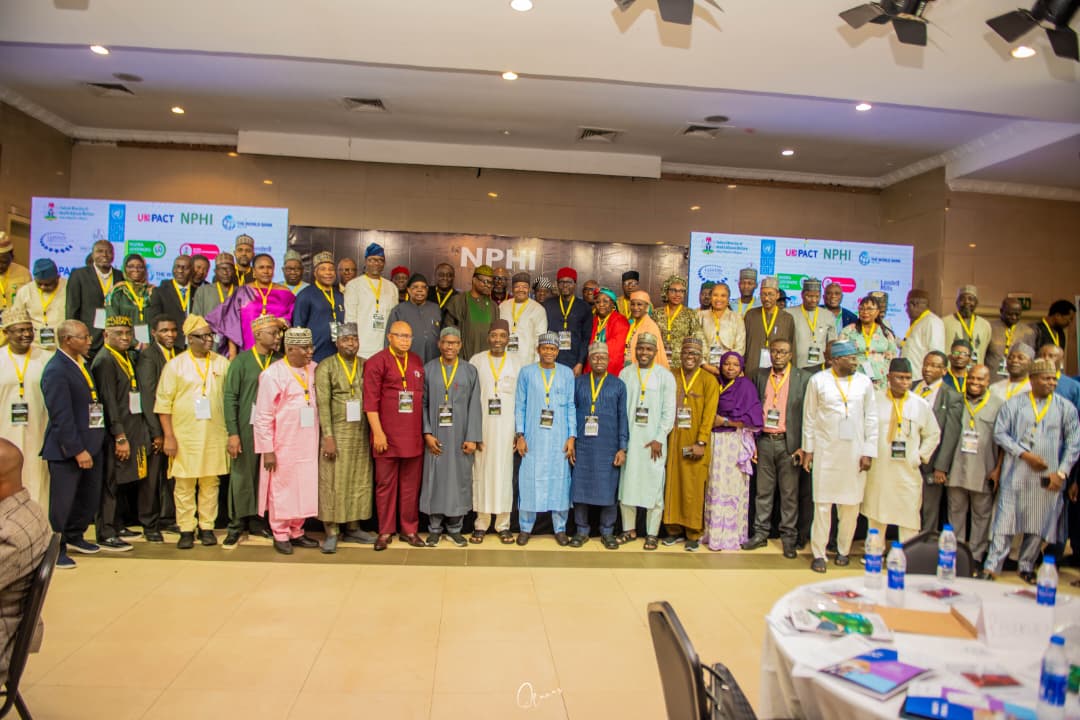
The Honourable Minister of State for Health and Social Welfare, Dr. Iziaq Adekunle Salako made this known on Monday, June 15, 2026, at the National Healthcare Electrification Investor Matchmaking Forum held at the Civic Centre, Victoria Island, Lagos.
Dr. Salako said reliable electricity is now a “critical enabler of quality healthcare delivery and improved health outcomes.”
According to him, erratic power supply continues to disrupt life-saving surgeries, vaccine cold chains, diagnostics, oxygen systems, emergency response and digital health tools across the country.
“Electricity is not merely a utility but a fundamental driver of healthcare delivery. Energy poverty remains a major obstacle to ongoing reforms and the Federal Government’s healthcare transformation agenda,” he stated.
The Minister disclosed that President Bola Ahmed Tinubu, GCFR, has approved NPHI as the national platform for healthcare electrification, following the National Stakeholders’ Dialogue on Power in the Health Sector.
Instead of the old government-funded/donor-driven model, NPHI will use a private-sector-led Energy-as-a-Service framework Under it, specialized Energy Service Providers will finance, install, operate and maintain energy systems, while hospitals focus on patient care.
The model is designed to boost accountability, ensure long-term sustainability, and give investors predictable revenue streams.
While the current phase targets Federal Tertiary Health Institutions, Dr. Salako said the Initiative will eventually cover primary, secondary and tertiary facilities across public and private sectors nationwide.
To build investor confidence, he outlined a robust governance structure: an Inter-Ministerial Steering Committee, a 24-member Inter-Agency Technical Committee, Facility Energy Management Teams, and a dedicated Project Secretariat in the Federal Ministry of Health and Social Welfare.
The Initiative will use blended financing — combining government commitment, development finance, climate finance, concessional capital and private investment — to scale sustainable energy solutions.
Dr. Salako commended the UK Partnership for Accelerating Climate Transition (UK PACT) and Landell Mills International for helping develop the framework.
He called on commercial banks, DFIs, infrastructure funds, impact investors, climate financiers and energy developers to tap into the pipeline of healthcare electrification projects.
Describing the forum as “the beginning of a marketplace where ideas become projects, projects become investments and investments become reliable electricity for healthcare facilities,” the Minister urged stakeholders to move from talk to action.
“Together, we can build a future where every healthcare facility in Nigeria has access to reliable, affordable and sustainable energy. Together, we can strengthen our healthcare system and save lives,” he said.