

By Bashir Hassan Abubakar
The Bauchi State Government has commenced efforts to strengthen coordination among Ministries, Departments and Agencies (MDAs) to eliminate duplication of responsibilities, minimise wastage of public resources and improve service delivery across the state.
The initiative, spearheaded by the State Ministry of Budget, Economic Planning and Multilateral Coordination in collaboration with the UNICEF Bauchi Field Office, was the focus of a high-level stakeholders’ consultative meeting on the development of a State Inter-Agency Coordination Framework held in Bauchi on Tuesday, November 17, 2026.
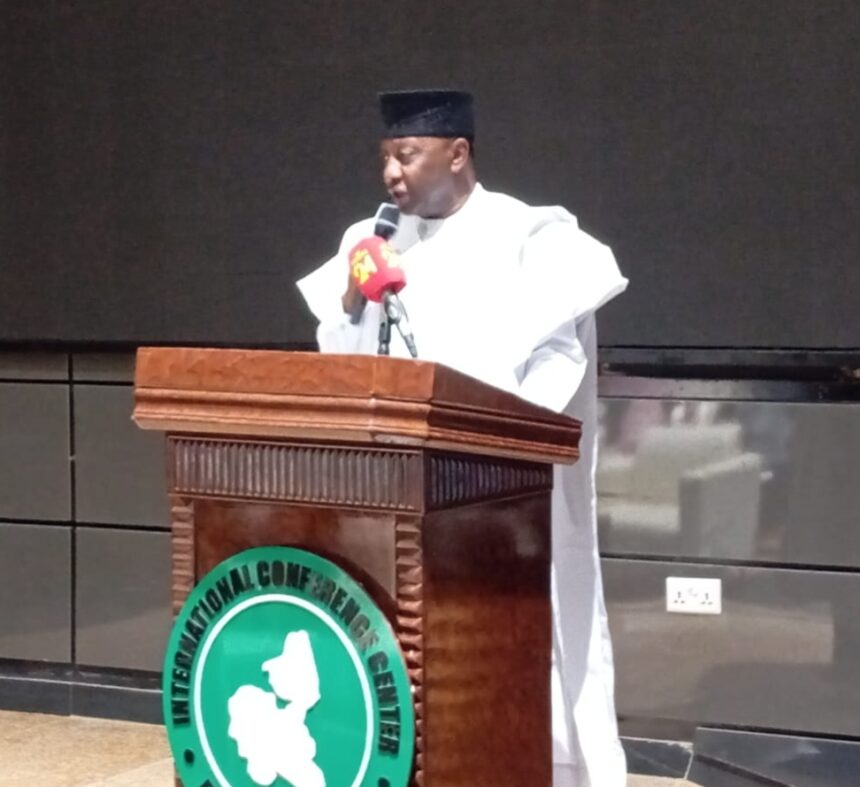
Declaring the meeting open, the Secretary to the State Government, Aminu Hammayo, stressed the importance of effective collaboration among government institutions in ensuring that development interventions across critical sectors complement one another.
He identified health, education, agriculture, infrastructure and social protection as key sectors requiring coordinated planning and implementation to achieve meaningful development outcomes.
Hammayo observed that government policies and investments could only deliver maximum benefits when MDAs worked collectively rather than operating independently.
He warned that inadequate coordination among government institutions could result in duplication of programmes, waste of scarce public resources and unnecessary bottlenecks in service delivery.
According to him, the consultation was organised to review existing coordination mechanisms, validate findings from a recent desk review, secure stakeholders’ commitment to the proposed framework and agree on practical measures for its finalisation and implementation.
In her keynote address, the Commissioner for Budget, Economic Planning and Multilateral Coordination, Amina Muhammad Katagum, said sustainable development depended largely on the ability of government institutions to share information, harmonise interventions and align their activities with common development priorities.
She explained that the proposed framework would strengthen institutional collaboration, clearly define roles and responsibilities, improve information sharing, harmonise planning and budgeting processes and promote collective accountability.
Katagum clarified that the initiative was not designed to establish another bureaucratic structure but to create an effective coordination platform for government MDAs, development partners, donor agencies, non-governmental organisations and civil society groups.
She said the framework would provide an avenue for stakeholders to align their programmes and interventions towards achieving measurable development results.
Earlier, the Permanent Secretary of the ministry, Ibrahim Ahmed Rufa’i, called on participants to actively contribute their experiences, observations and recommendations to ensure that the proposed framework was practical, inclusive, result-oriented and sustainable.
He also expressed appreciation to development partners and other stakeholders for their continued support towards the development of Bauchi State.
Goodwill messages were delivered by the Head of Civil Service, Muhammad Sani Umar, Esq.; UNICEF Social Policy Specialist, Dr. Yusuf Auta; and the District Head of Birshi, Alhaji Mu’awiya Harsani.
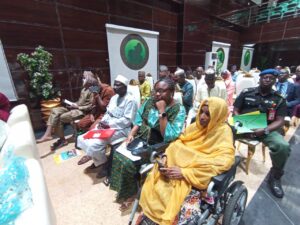
The meeting was attended by representatives of key service-sector ministries, departments and agencies, civil society organisations, community-based organisations and development partners.
The proposed framework is expected to provide a coordinated approach to planning, budgeting and implementation of development programmes, while strengthening accountability and ensuring more efficient utilisation of public resources across Bauchi State.