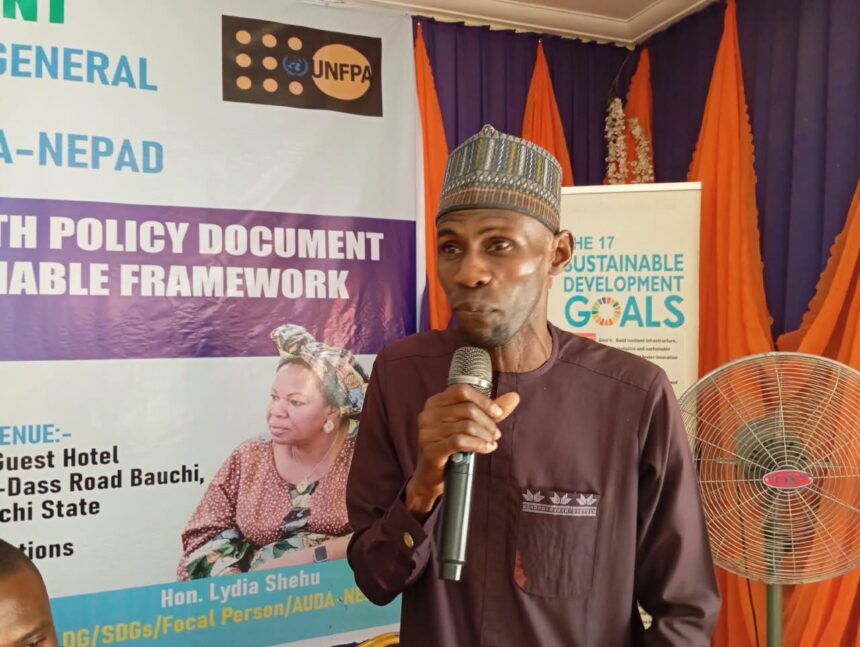
By Bashir Hassan Abubakar, Bauchi
The National Agency for the Prohibition of Trafficking in Persons (NAPTIP) has rescued 25 indigenes of Bauchi State trafficked to North African countries, including Libya and Morocco, in collaboration with the International Organization for Migration (IOM).
The agency also recorded 70 human trafficking cases in the state between January and October 2026, securing three convictions, while other cases are still pending in court.
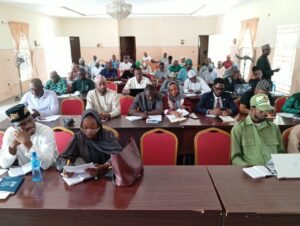
The Bauchi State Coordinator of NAPTIP, Alhaji Aliyu Abba Kalli, disclosed this on Monday during a two-day review workshop on the state’s Youth Policy Development Framework, organised by the Sustainable Development Goals (SDGs) office with support from the United Nations Population Fund (UNFPA).
Kalli expressed concern over the vulnerability of young people to human trafficking, noting that many victims were lured abroad with deceptive promises of better employment opportunities and improved living conditions.
He urged youths to take advantage of local skills acquisition programmes and other available opportunities rather than expose themselves to the dangers of irregular migration and human trafficking.
The coordinator disclosed that NAPTIP was profiling and reintegrating returned migrants into their communities to help them rebuild their lives and reduce their vulnerability to further exploitation.
He added that the agency was investigating suspected local agents allegedly involved in recruiting young girls from rural communities for exploitation in urban centres.
Kalli reaffirmed NAPTIP’s commitment to prosecuting human traffickers and strengthening measures to protect vulnerable individuals from exploitation.
He explained that the agency was deploying five strategic pillars—prevention, protection, prosecution, partnership and policy—to combat human trafficking across Bauchi State.
According to him, NAPTIP’s public enlightenment campaigns reached more than 50 communities, motor parks and schools in the state in 2026.
He said the agency had also intensified awareness campaigns through radio and television programmes, as well as engagements with women’s groups, to educate residents about the dangers of human trafficking and the deceptive methods used by traffickers to recruit victims.
Kalli stressed that sustained sensitisation and community participation were essential to identifying trafficking networks, preventing the recruitment of vulnerable persons and ensuring that perpetrators were brought to justice.
He further encouraged young people to remain patient and productively engaged, assuring them that ongoing government reforms were creating opportunities for economic advancement within the country.
The NAPTIP coordinator called for continued collaboration among government agencies, development partners, community leaders and residents to dismantle trafficking networks and protect young people from exploitation.