
Former Minister of Aviation, Femi Fani-Kayode, has strongly condemned controversial remarks attributed to Islamic cleric, Sheikh Yahaya Jingir, over the Muslim-Muslim ticket, warning that inflammatory religious rhetoric could damage the electoral fortunes of President Bola Tinubu and Vice President Kashim Shettima ahead of the 2027 elections.
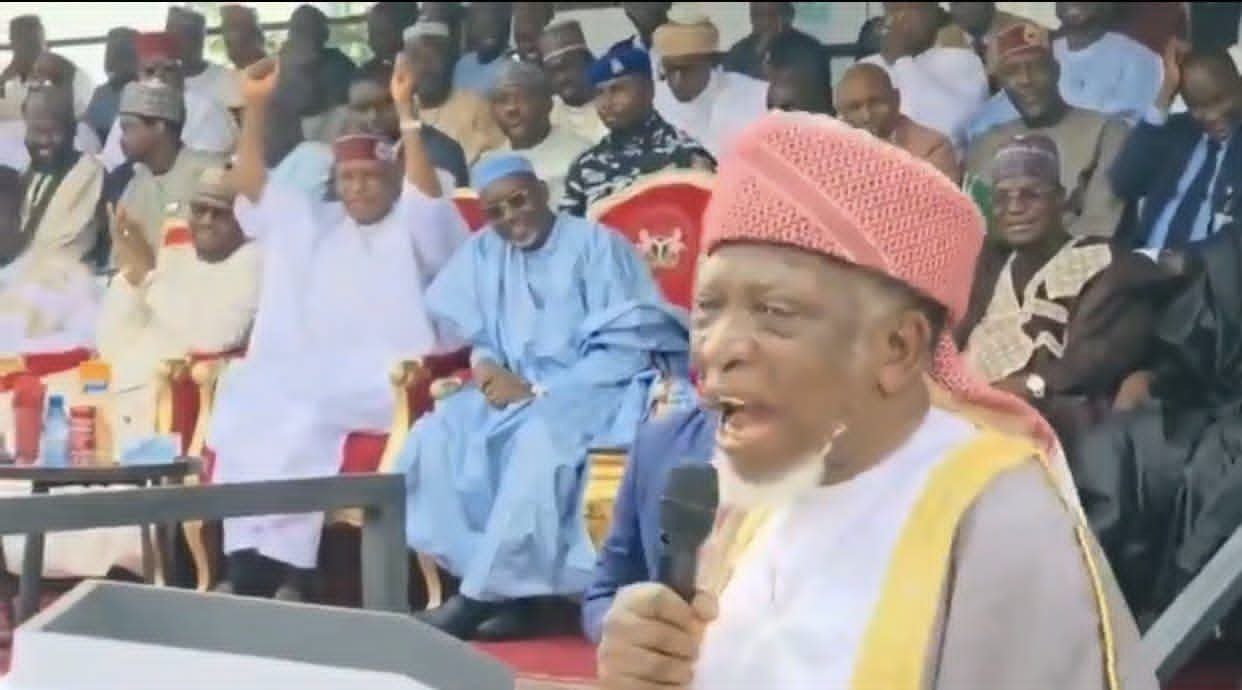
Fani-Kayode said Jingir’s comments, made at an event in Kano, were provocative and capable of deepening religious tensions in the country.
In a statement, the former minister disclosed that he received more than 100 calls and messages from concerned Christians and Muslims following the emergence of the cleric’s remarks.
He expressed particular disappointment over what he described as the apparent endorsement of the comments by the Kano State Governor, whom he referred to as his friend and brother.
Fani-Kayode warned that politicians and religious leaders must avoid statements capable of dividing Nigerians along religious lines, stressing that faith should not be sacrificed for political interests.
“Politics and earthly power come and go but faith and the afterlife is eternal,” he said, urging Nigerians to reject rhetoric capable of turning religious differences into political weapons.
According to him, the comments were especially dangerous because of Nigeria’s religious diversity and could further fuel allegations of an agenda to Islamise the country.
He argued that such rhetoric could also undermine the chances of the ruling All Progressives Congress in the 2027 presidential election, noting that the party would need the support of both Christians and Muslims to retain power.
“What he has done is given the opposition something to hold on to and use against us and this is unfortunate,” Fani-Kayode said.
He maintained that no Christian would willingly support a political platform that treats members of the faith as “infidels”, adding that many Muslims across political divides had already condemned Jingir’s remarks.
Fani-Kayode stressed that Jingir did not speak for the APC or represent the views of the majority of Nigerian Muslims, but only expressed his personal position.
He also rejected the claim that Nigeria is a Muslim country, describing the nation as a secular, multi-religious state comprising Christians and Muslims.
The former minister explained that his support for the Muslim-Muslim ticket in 2023, and potentially in 2027, was based on the competence, character, sincerity, electoral strength and ability of the candidates to govern, rather than their religion.
He added that Nigeria could in the future produce a Christian-Christian presidential ticket, arguing that political choices should be determined by competence and policies rather than religious identity.
Fani-Kayode further urged Nigerians to “leave religion out of politics” and focus instead on issues, policies and the character of political candidates.
He called on Jingir to apologise to Christians and the Church in Nigeria, while urging him to exercise greater restraint and embrace reconciliation.
The former minister also appealed to security authorities to caution the cleric, warning that continued provocative rhetoric could have serious consequences for national peace and stability.
“Nigeria is NOT a Muslim country and neither is she a Christian country,” Fani-Kayode said, insisting that the country’s religious diversity should be regarded as a source of strength rather than division.
He urged both Christians and Muslims to respect one another and uphold peaceful coexistence, warning that politicians and religious leaders must avoid actions capable of pushing the country towards a major religious crisis.